
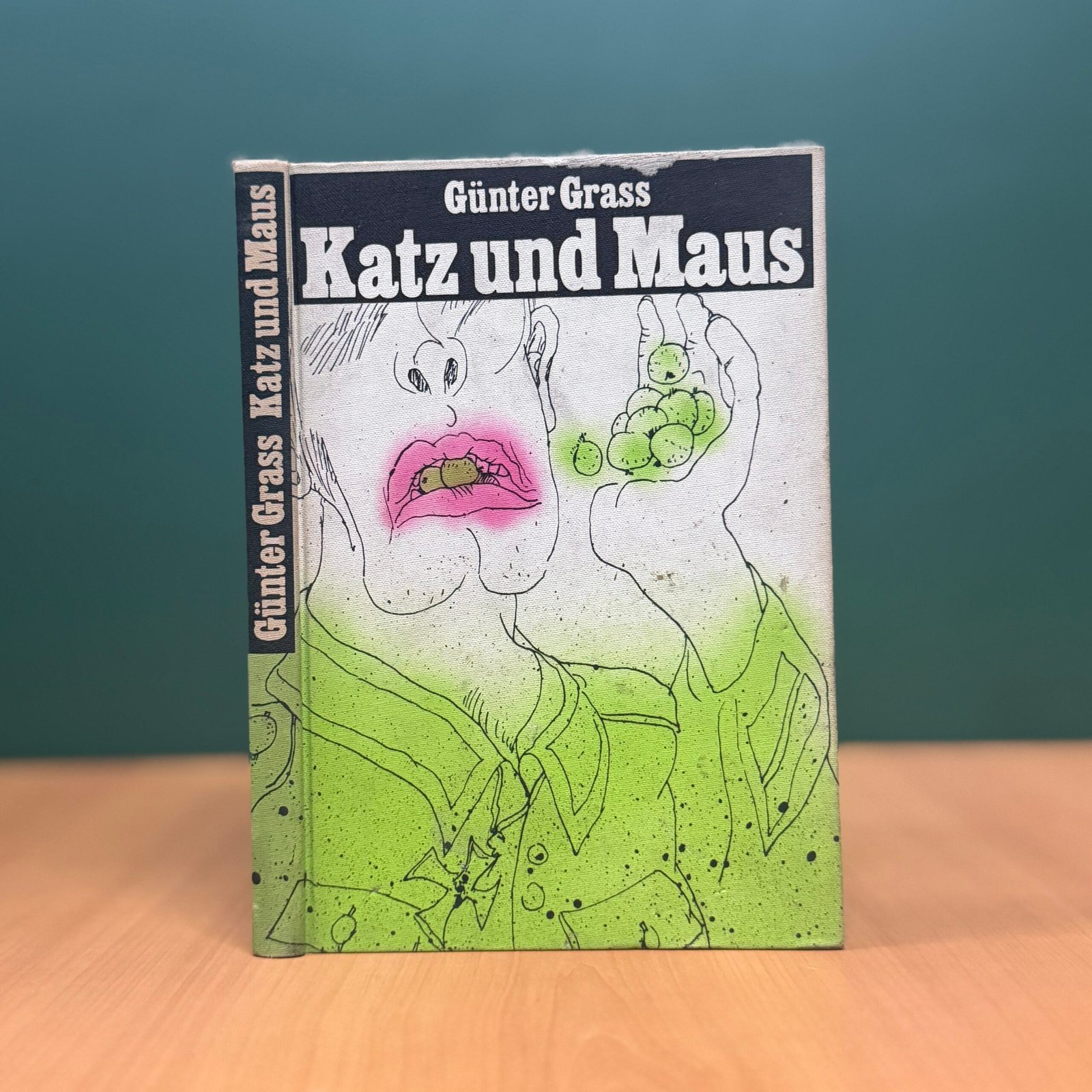
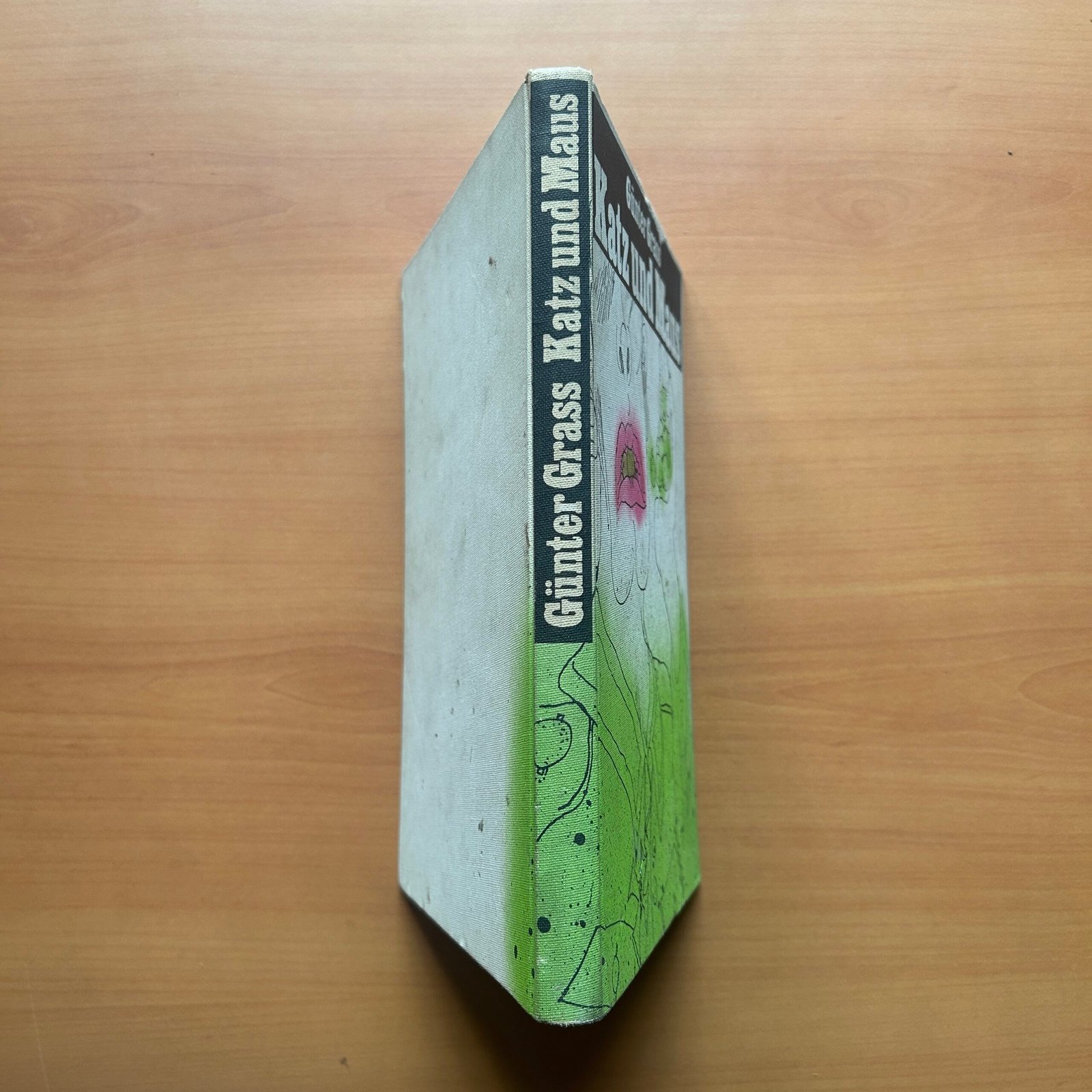
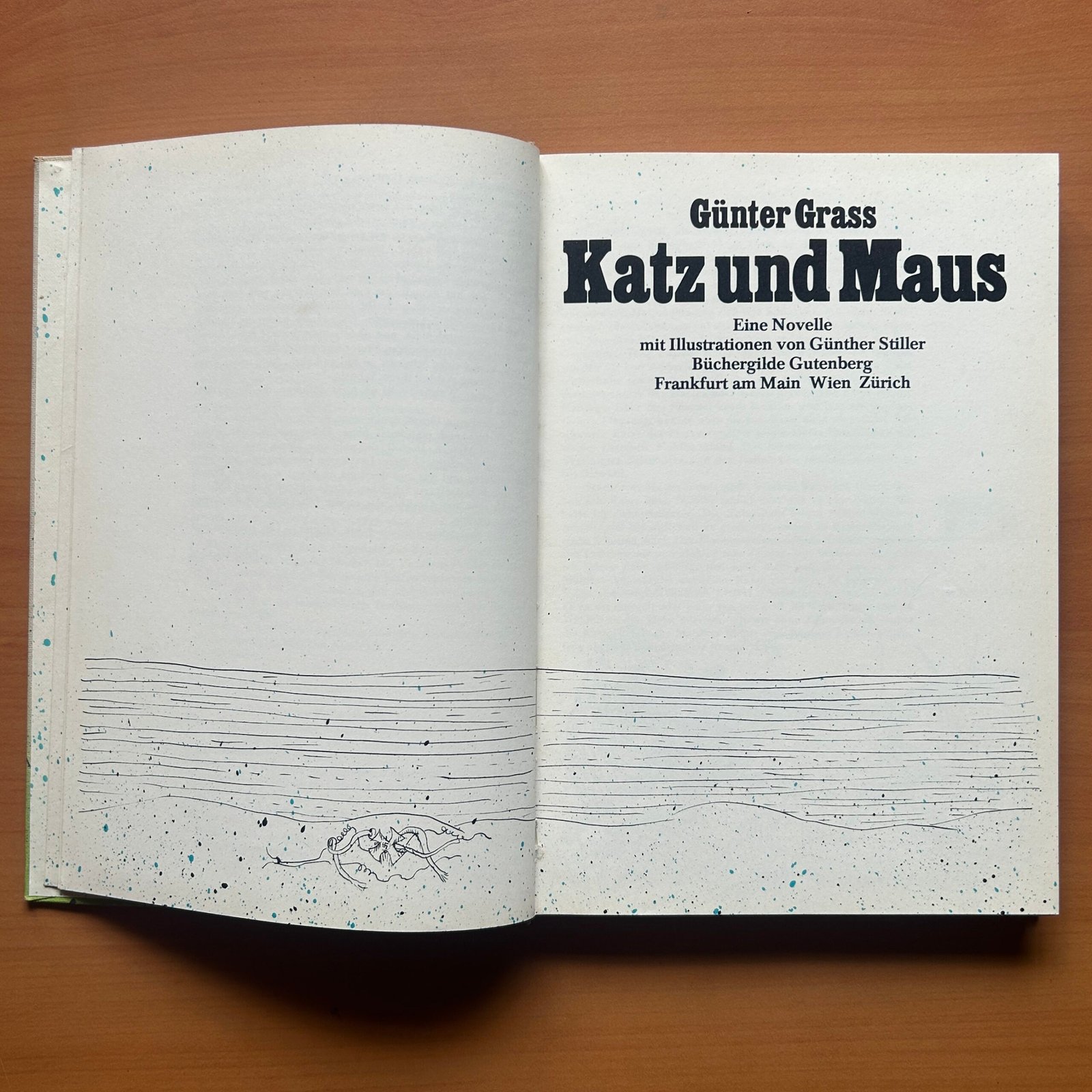
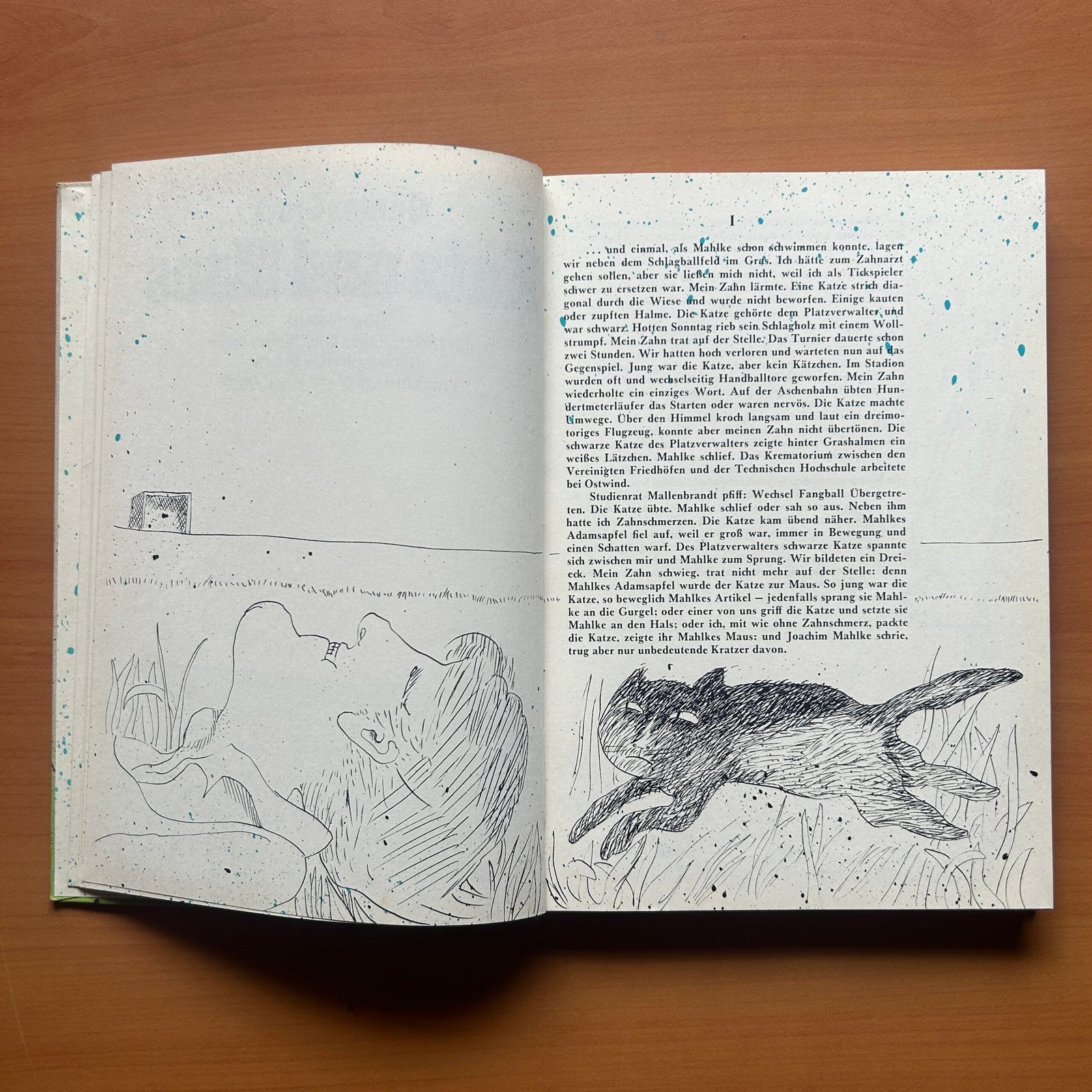
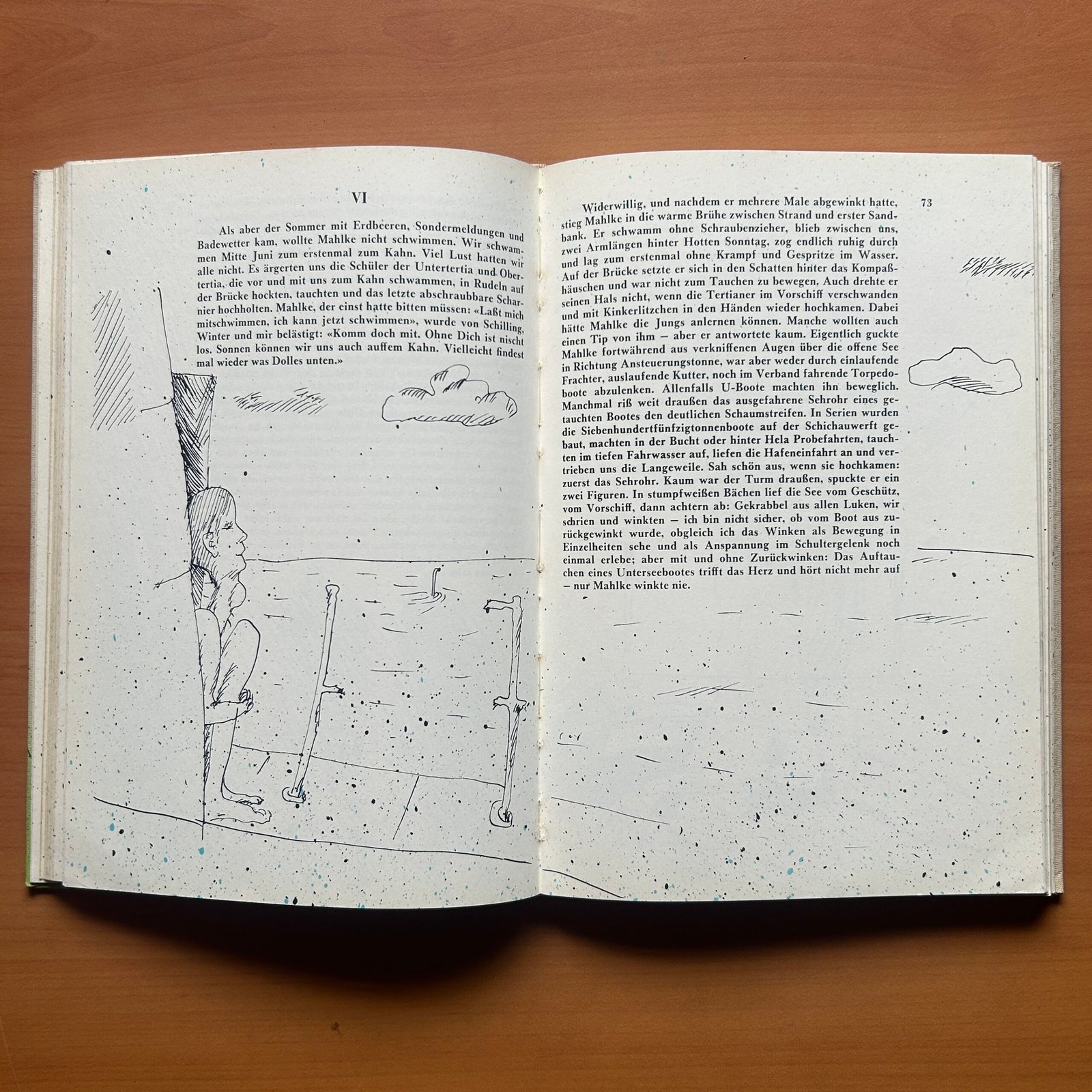
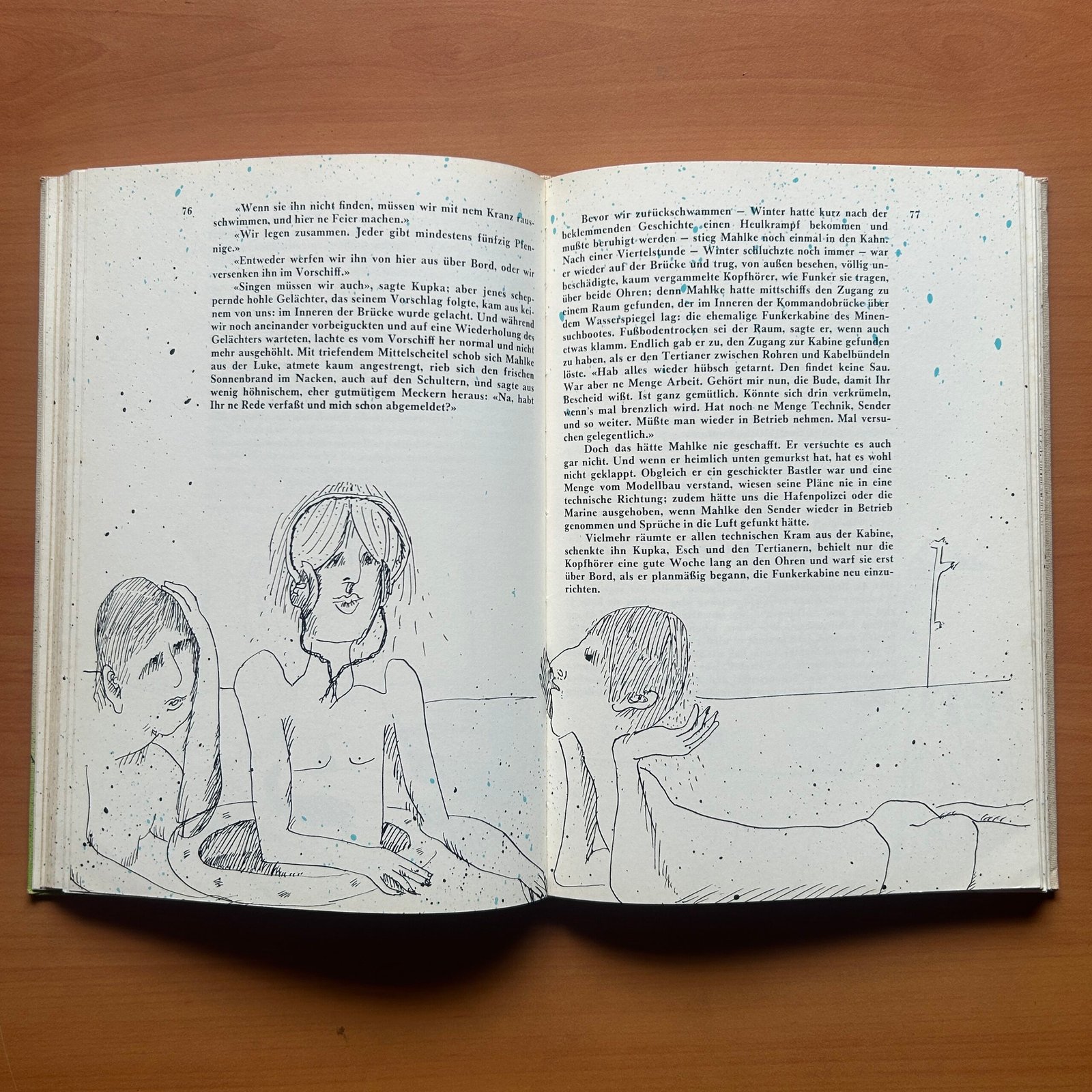
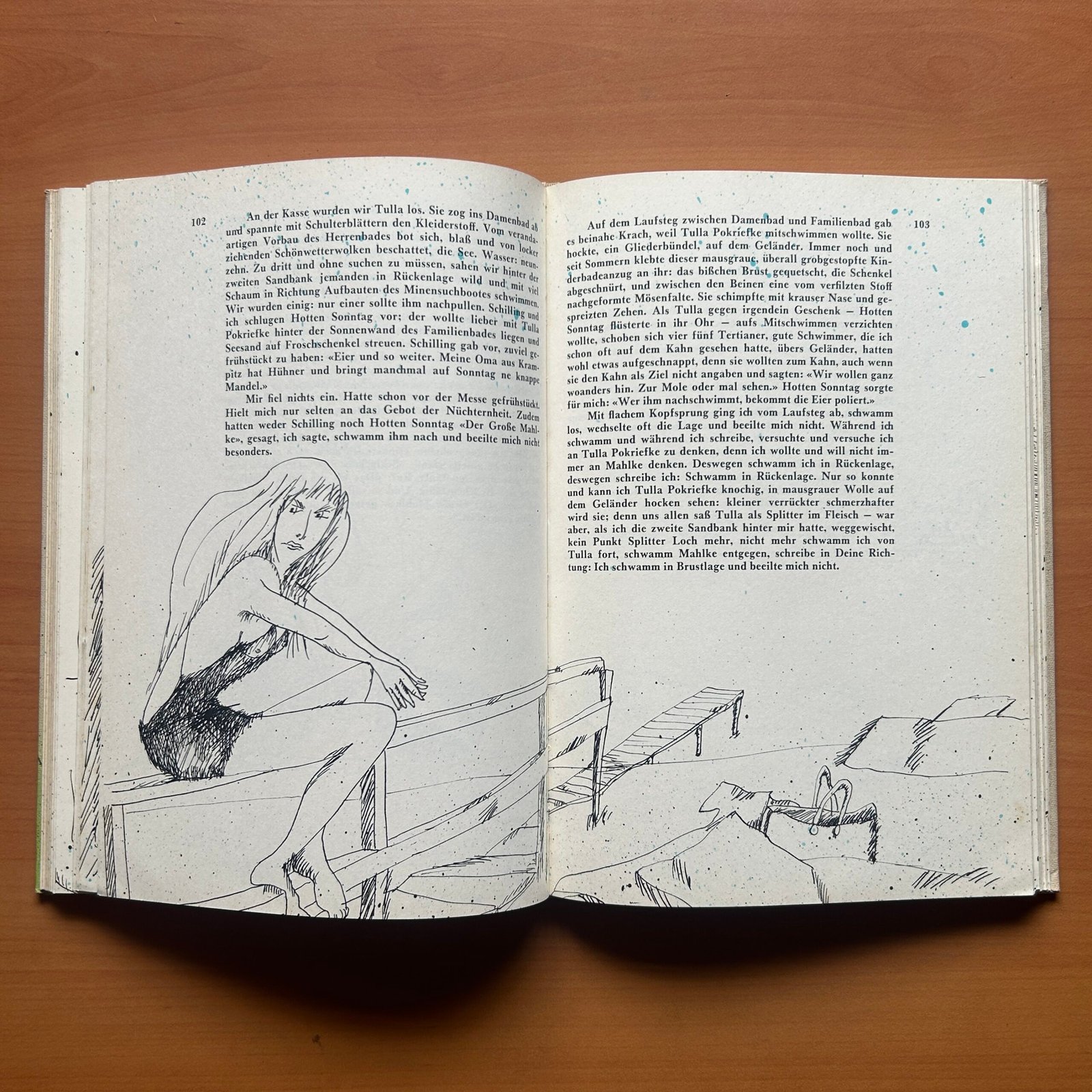
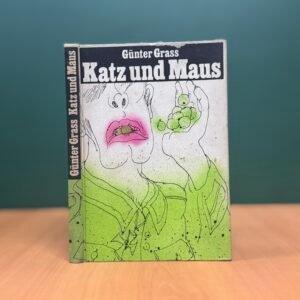
Katz und Maus (Cat and Mouse) is a critically acclaimed novella by Günter Grass, one of Germany’s most influential post-war writers and a Nobel Prize laureate. First published in 1961, the work forms part of his famous Danzig Trilogy, alongside The Tin Drum and Dog Years.
Set in the city of Danzig (now Gdańsk) during the Second World War, the story is narrated by a young boy reflecting on his complex relationship with Joachim Mahlke, a unique and enigmatic figure marked by his physical peculiarity and intense desire for recognition. Through this relationship, Grass explores themes of adolescence, insecurity, heroism, guilt, and the search for identity in a society overshadowed by war and ideology.
The novella is rich in symbolism and psychological depth, using Mahlke’s character as a lens to examine broader questions of individuality, conformity, and moral ambiguity. Grass’s narrative style is layered and reflective, blending memory, irony, and philosophical insight.
Despite its relatively short length, Katz und Maus carries significant literary weight, offering a profound critique of war-time values and the pressures placed on young individuals in times of conflict. Its exploration of human behavior under extreme circumstances has made it a key text in modern European literature and post-war studies.
The work continues to be widely studied and appreciated for its artistic complexity and emotional resonance, making it an essential addition for readers interested in German literature, war narratives, and psychological fiction.
- Author: Günter Grass – Nobel Prize-winning German author
- Literary Context: Part of the Danzig Trilogy
- Genre: Novella / Modern Fiction / War Literature
- Themes: Identity, adolescence, war, guilt, individuality
- Setting: World War II-era Danzig (Gdańsk)
- Style: Symbolic, introspective, and psychologically rich
- Literary Importance: Landmark work in post-war German literature
- Academic Value: Widely studied in literature and history courses
Collector’s Note
Katz und Maus is a significant work in the canon of 20th-century European literature, reflecting Günter Grass’s mastery of narrative and symbolism. While edition details may vary, any vintage or early publication of this work holds strong collectible value, particularly for readers and collectors of modern classics and Nobel Prize-winning authors.

Reviews
There are no reviews yet.