
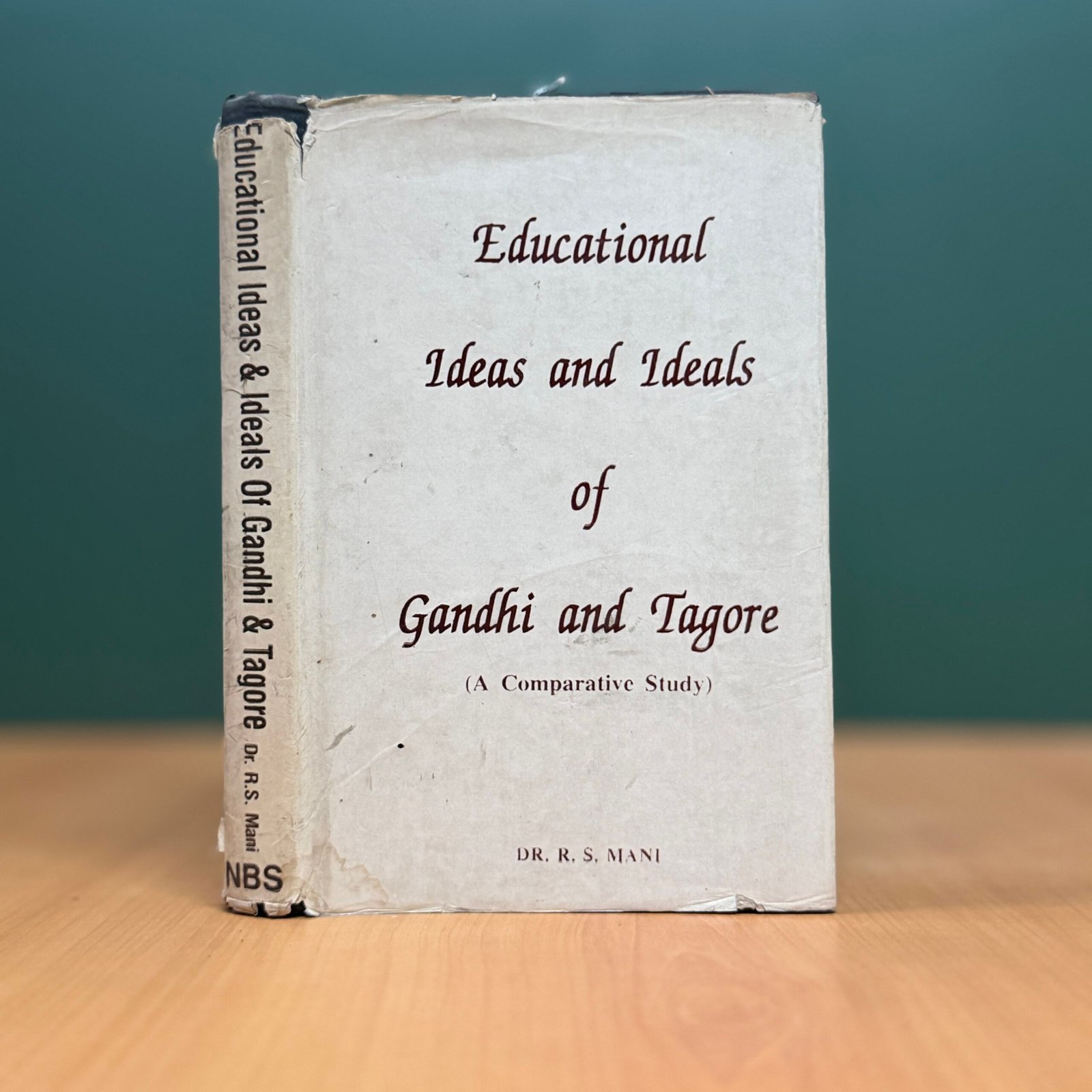
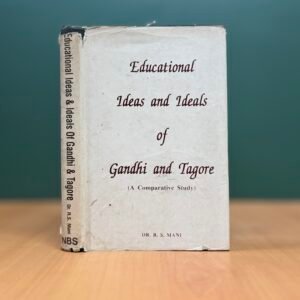
Educational Ideas and Ideals of Gandhi and Tagore
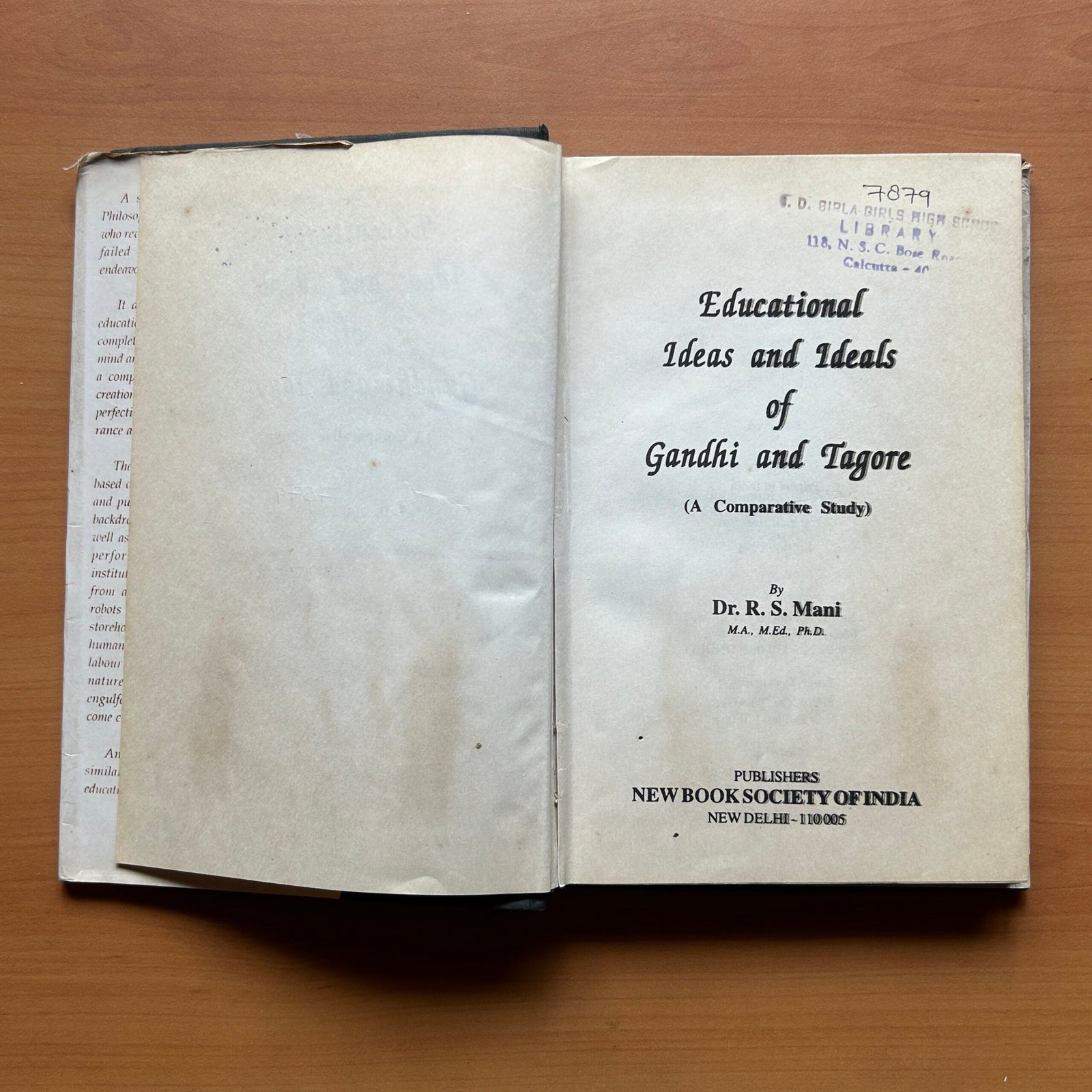
Author: Dr. R. S. Mani
Subjects: Mahatma Gandhi · Rabindranath Tagore
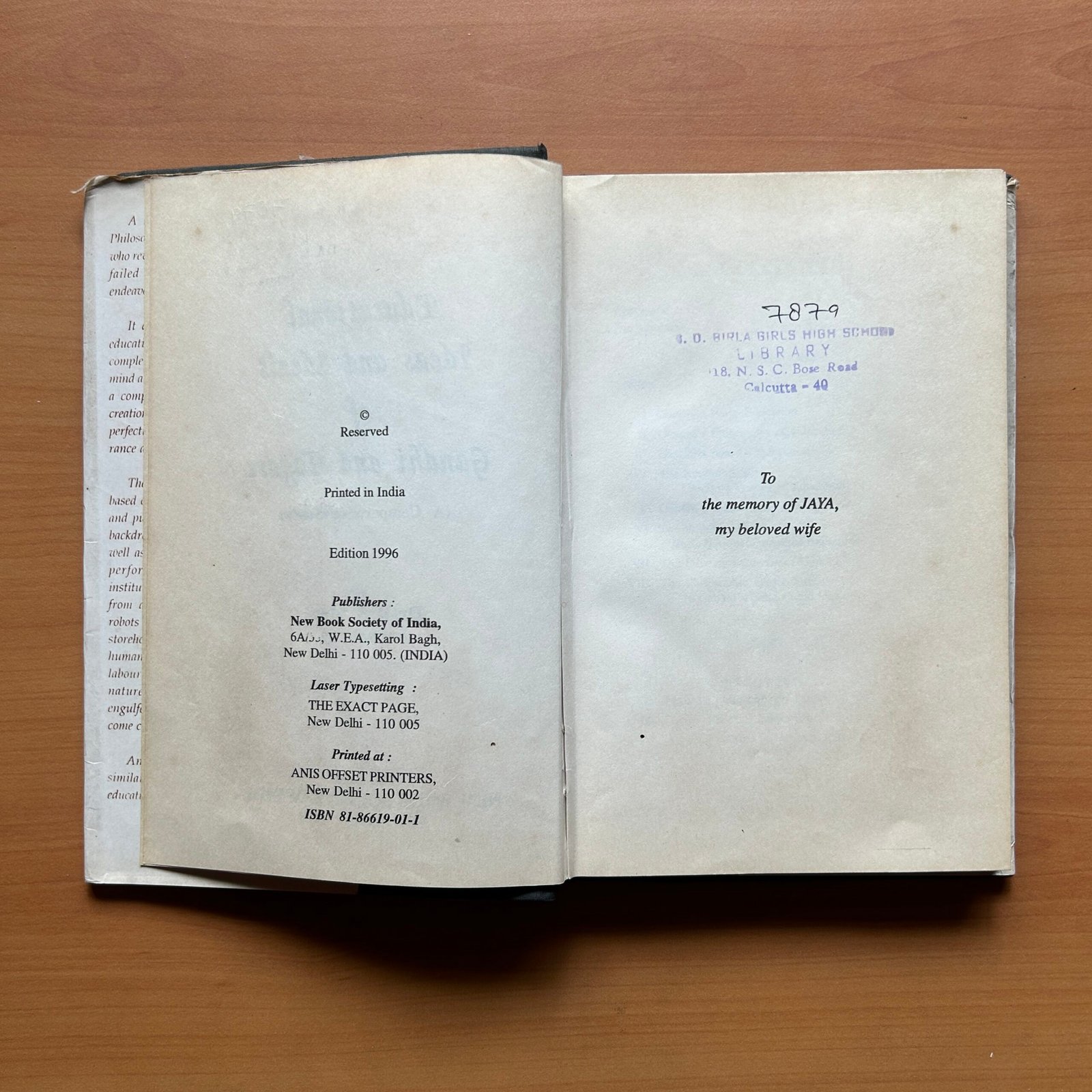
Publisher: New Book Society of India
Edition & Year: 1996 Edition
Binding: Hardcover
Pages: 249
Size: 6 in × 9 in
Educational Ideas and Ideals of Gandhi and Tagore by Dr. R. S. Mani is an intellectually rich and deeply reflective study that examines the educational philosophies of two of India’s greatest thinkers—Mahatma Gandhi and Rabindranath Tagore. Published in 1996 by New Book Society of India, this 249-page hardcover (6 × 9 inches) presents a comparative and analytical exploration of their ideas on education and human development.
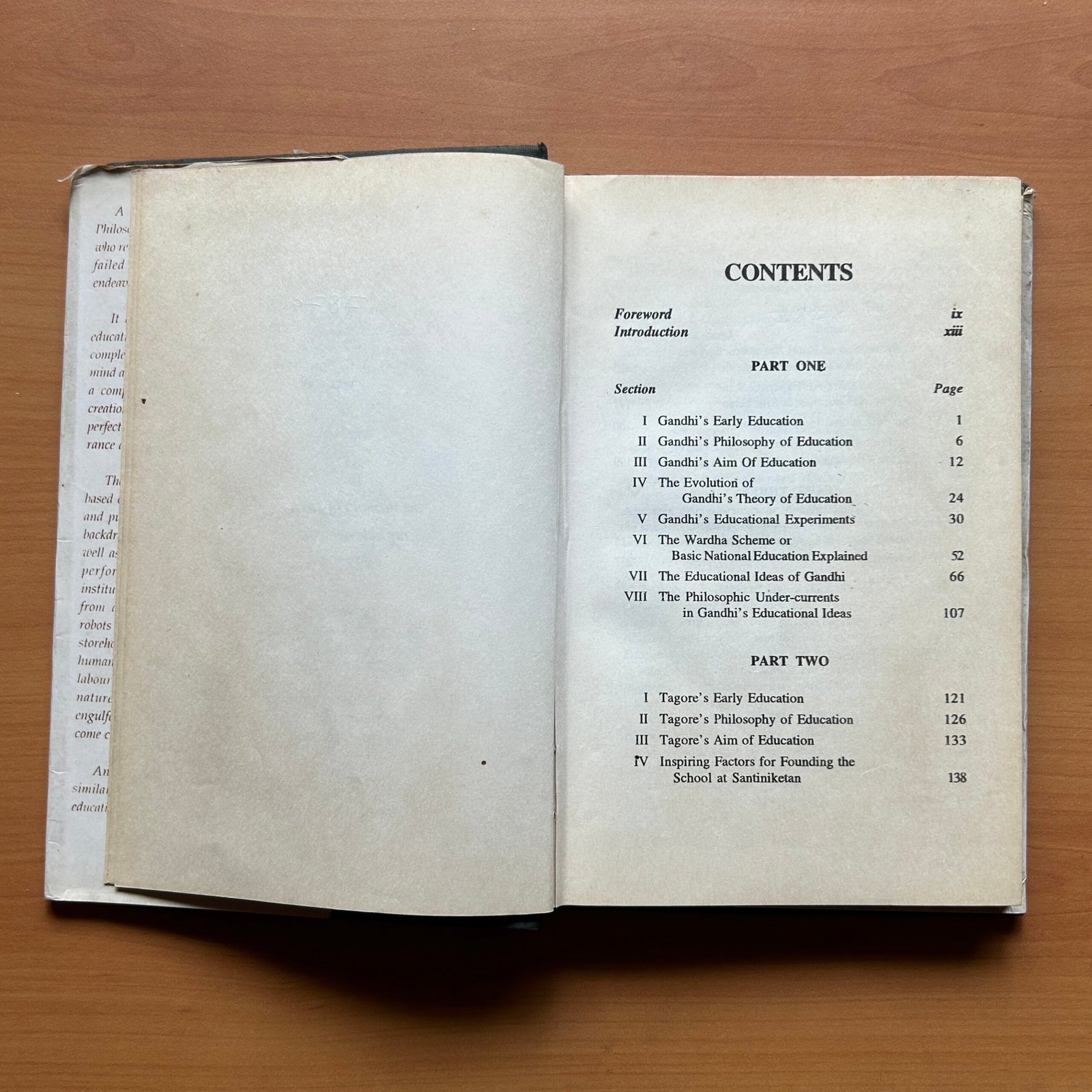
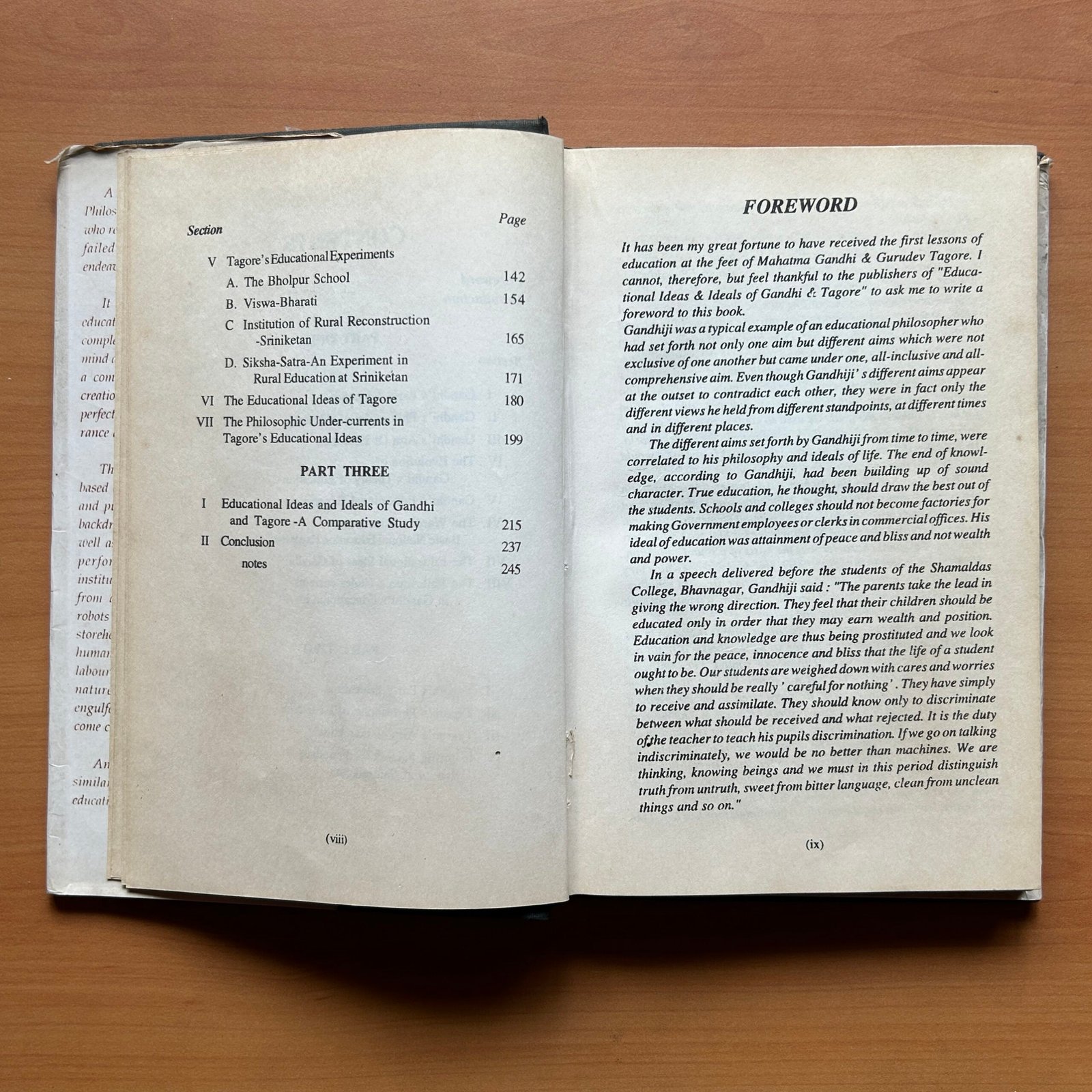
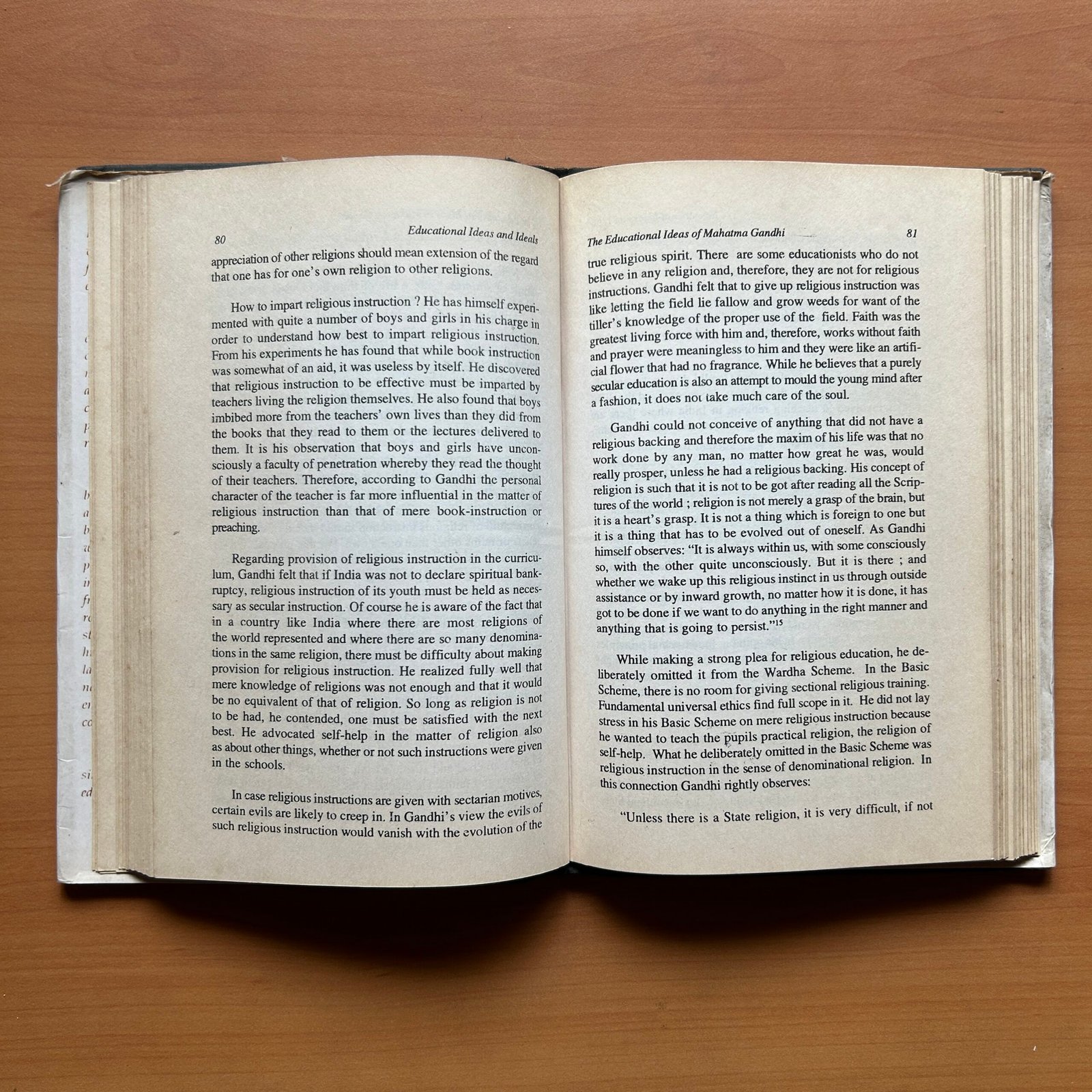
The book delves into Gandhi’s concept of “Nai Talim” (Basic Education), which emphasizes learning through productive work, self-reliance, and moral development. It highlights Gandhi’s belief that education should be rooted in practical skills, ethical values, and community life, aiming to create individuals who are socially responsible and spiritually aware.
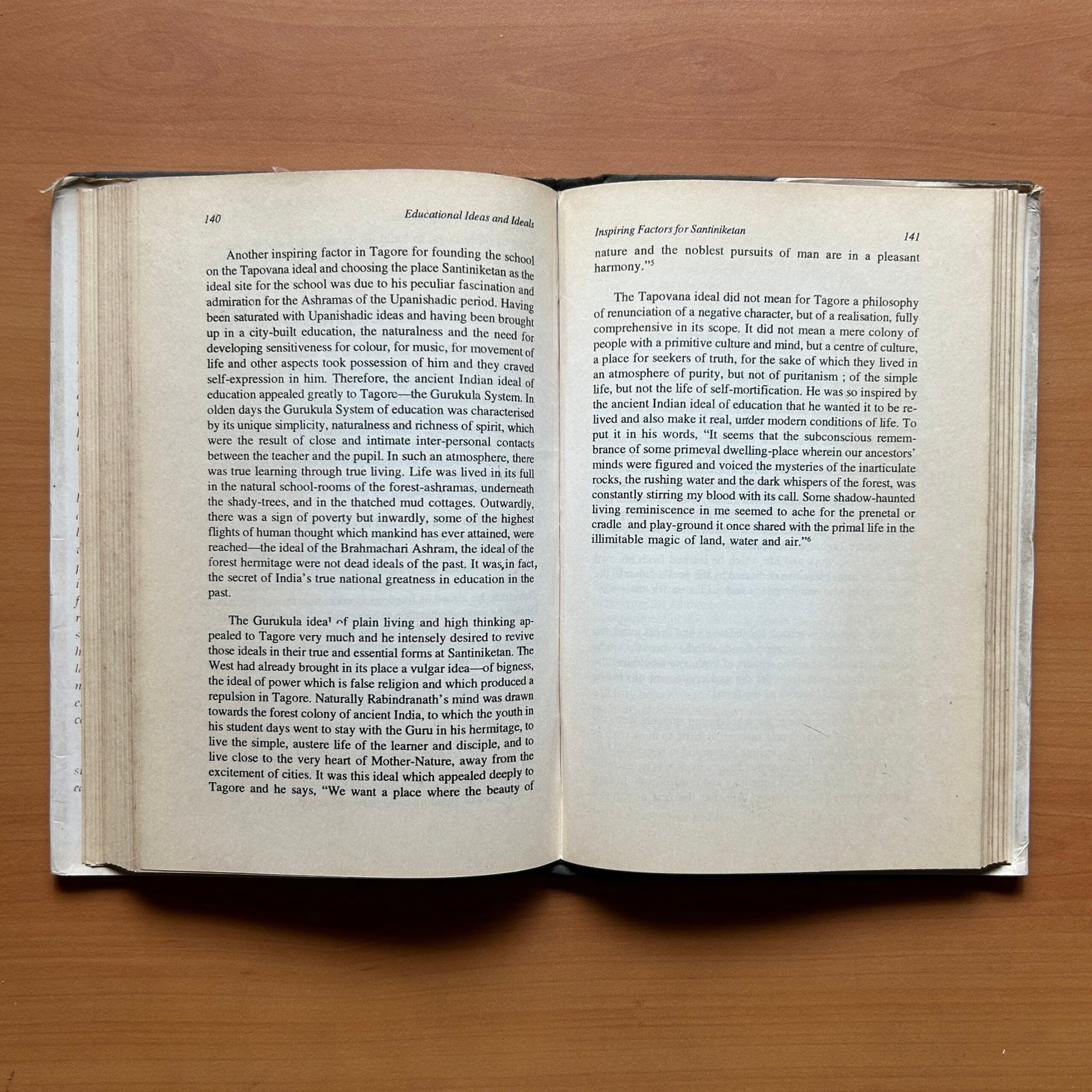
In contrast, the work also explores Tagore’s educational vision, which was deeply influenced by freedom, creativity, and harmony with nature. Tagore’s model, as reflected in institutions like Santiniketan, emphasized holistic development, artistic expression, and a global outlook, encouraging students to think independently and creatively.
A key strength of this book is its comparative approach, which allows readers to understand both the similarities and differences in the philosophies of Gandhi and Tagore. While both thinkers valued education as a tool for human development, their methods and emphases differed significantly—Gandhi focusing on discipline and social responsibility, and Tagore on freedom and creativity.
The book also situates these ideas within the broader context of Indian society, colonial history, and cultural identity, making it not only a study of education but also a reflection on India’s intellectual heritage. It highlights how their ideas continue to influence modern educational thought and policy.
Written in a clear, academic, and well-structured style, the book is suitable for students, educators, and scholars. It serves as both a reference work and a source of inspiration for those interested in alternative and humanistic approaches to education.
The hardcover format (6 × 9 inches) ensures durability and makes it ideal for academic use and collection. Its relevance to Indian intellectual history and educational philosophy enhances its value as a collectible.
Educational Ideas and Ideals of Gandhi and Tagore is a significant work that offers a deeper understanding of how education can shape not just individuals, but society as a whole.
- Author: Dr. R. S. Mani
- Subjects:
- Mahatma Gandhi
- Rabindranath Tagore
- Publisher: New Book Society of India, 1996 Edition
- Format: Hardcover, 249 pages
- Size: 6 × 9 inches – academic format
- Content: Comparative study of educational philosophies
- Topics Covered: Nai Talim, holistic education, creativity, ethics
- Themes: Education, society, culture, human development
- Style: Scholarly, analytical, and accessible
- Use: Academic reference and intellectual study
- Collector Appeal: Valuable Indian philosophical work
🔹 Collector’s Note
This 1996 hardcover edition is a valuable intellectual and cultural resource, especially for collectors of Indian Rare Books. Its focus on two of India’s greatest thinkers, combined with its academic depth and relevance, makes it a significant addition to collections of Indian philosophy, education, and cultural studies.



Reviews
There are no reviews yet.