
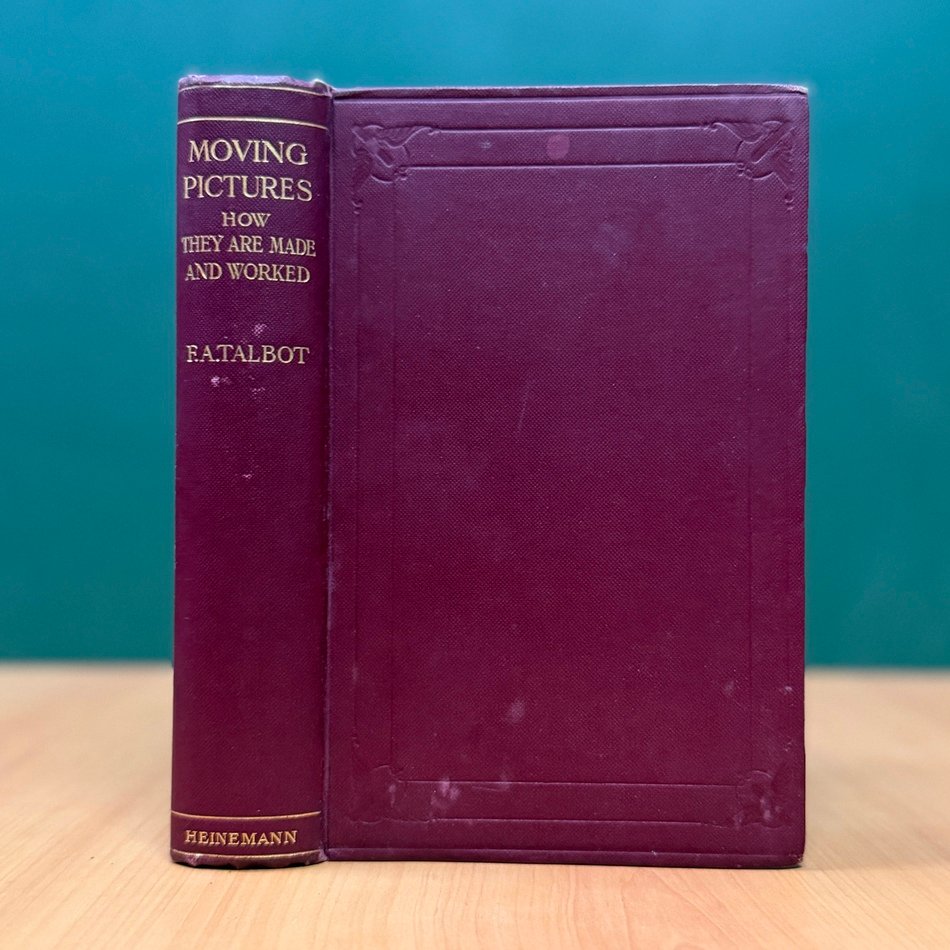
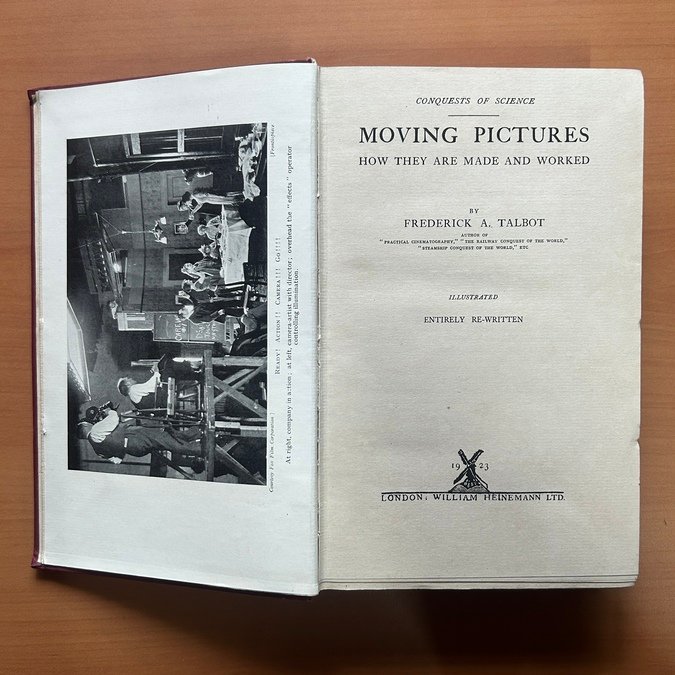
Moving Pictures: How They Are Made and Worked
🔹 Author: Frederick A. Talbot
🔹 Publisher: William Heinemann
🔹 Edition: 1923
🔹 Binding: Hardcover
🔹 Pages: 419
🔹 Size: 6 × 2 × 9 inches
🔹 Language: English
Written during the formative years of the international film industry, Moving Pictures: How They Are Made and Worked by Frederick A. Talbot provides an extraordinary insight into the technology and craftsmanship behind early cinema. At a time when motion pictures were rapidly transforming entertainment across the world, Talbot sought to explain the complex processes involved in bringing moving images from the camera to the screen. His work captures the excitement of an industry that was still evolving and documents the remarkable innovations that shaped modern filmmaking.
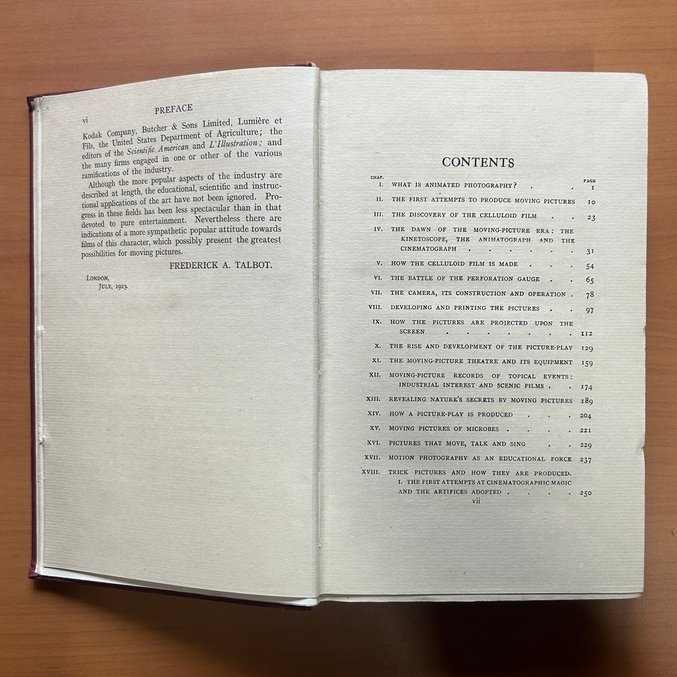
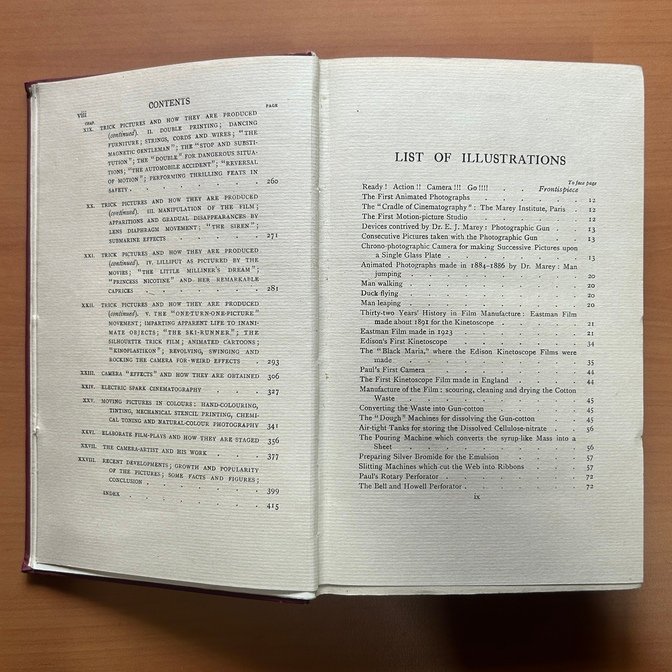
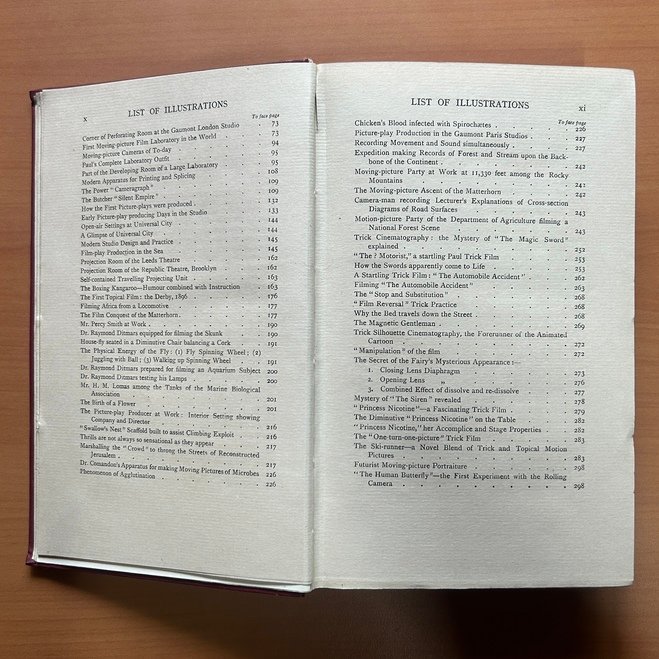
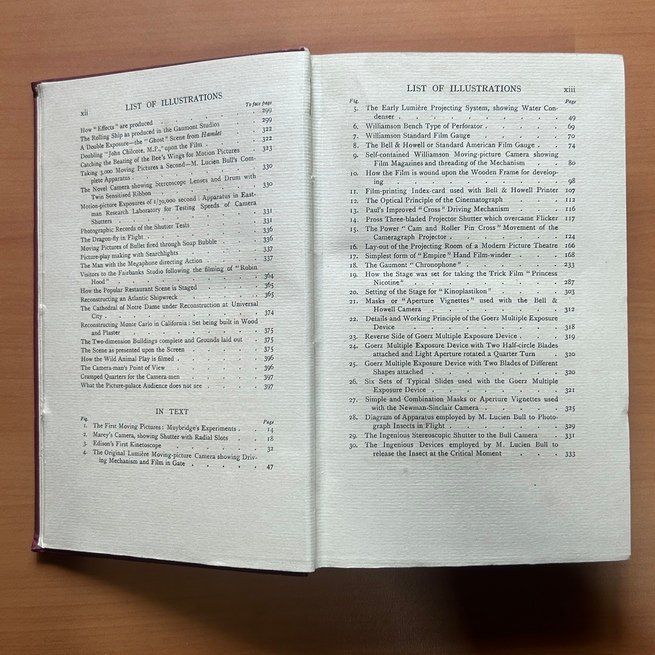
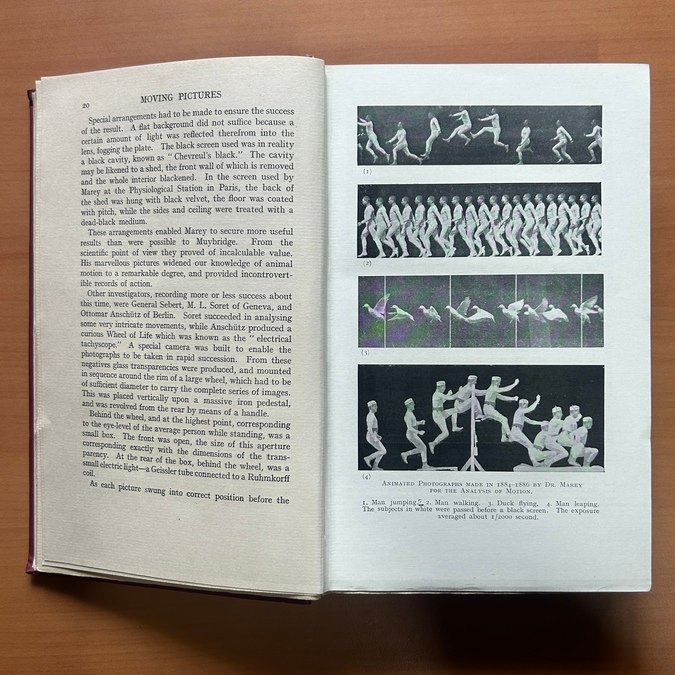
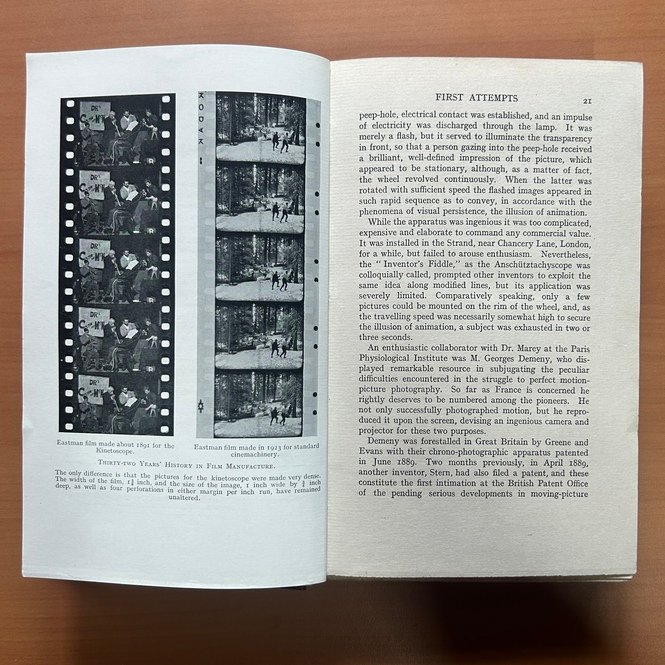
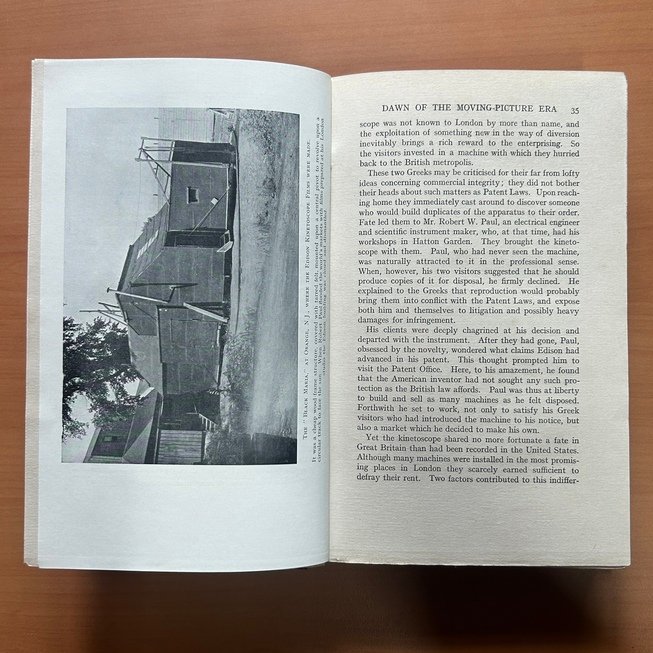
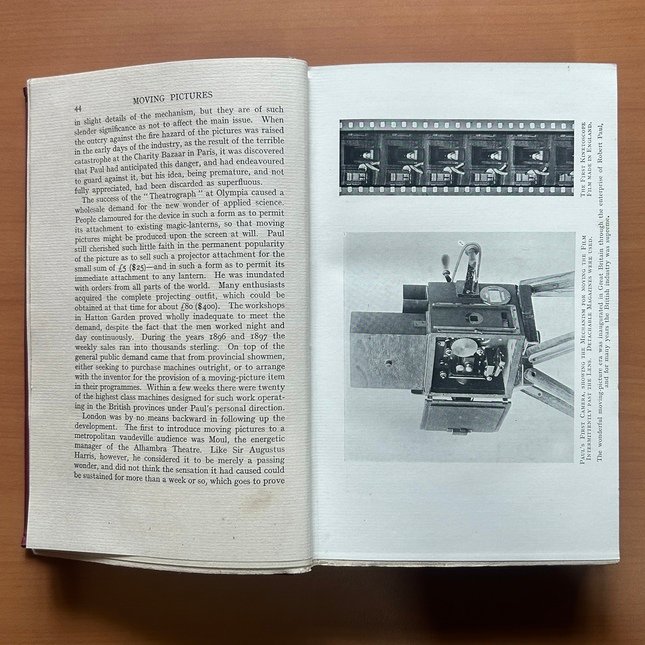
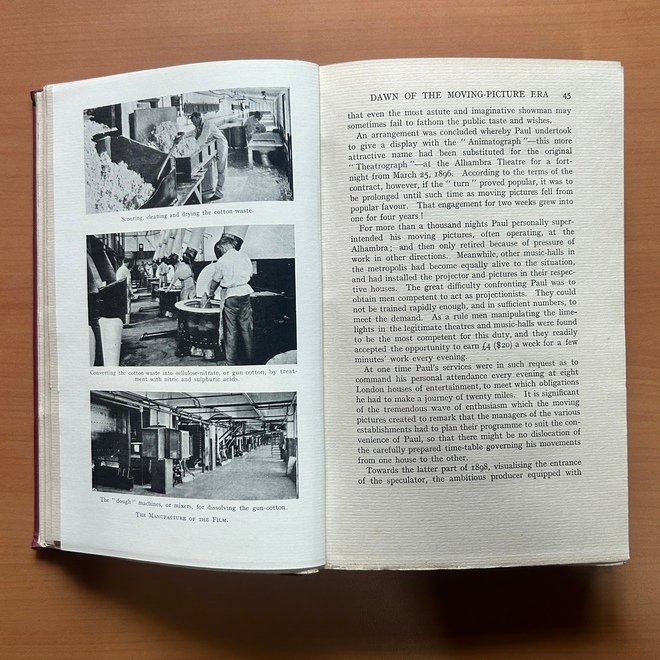
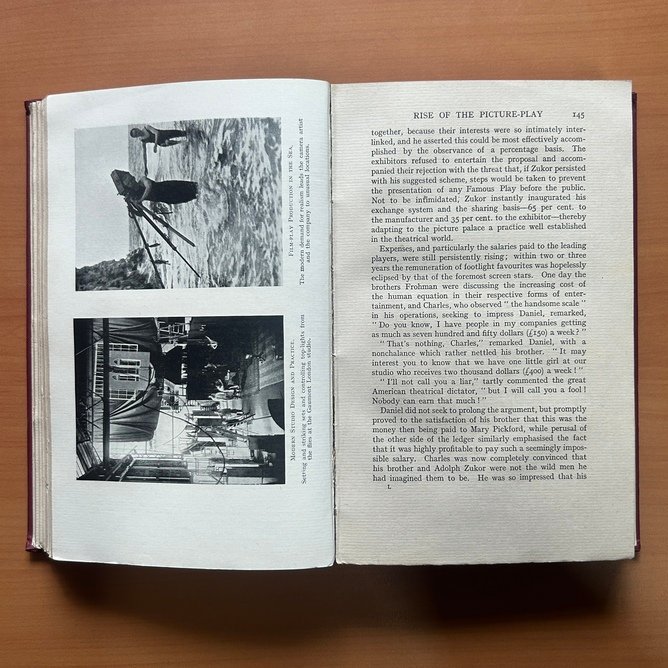
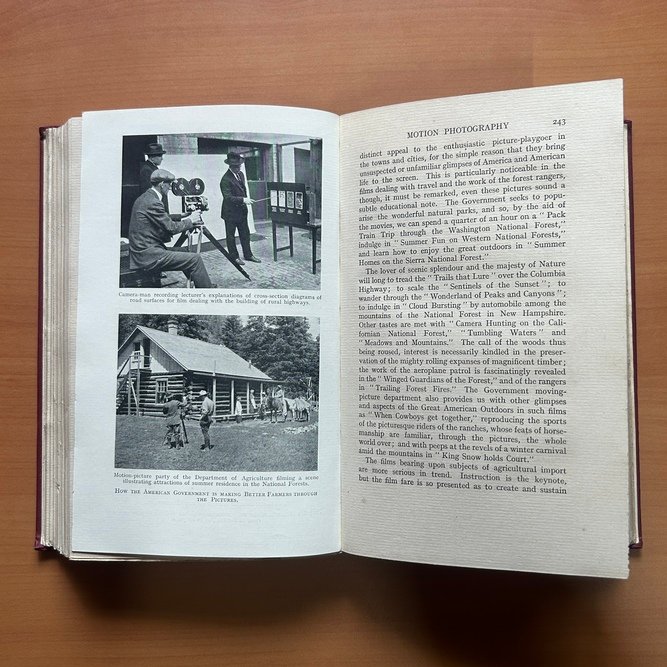
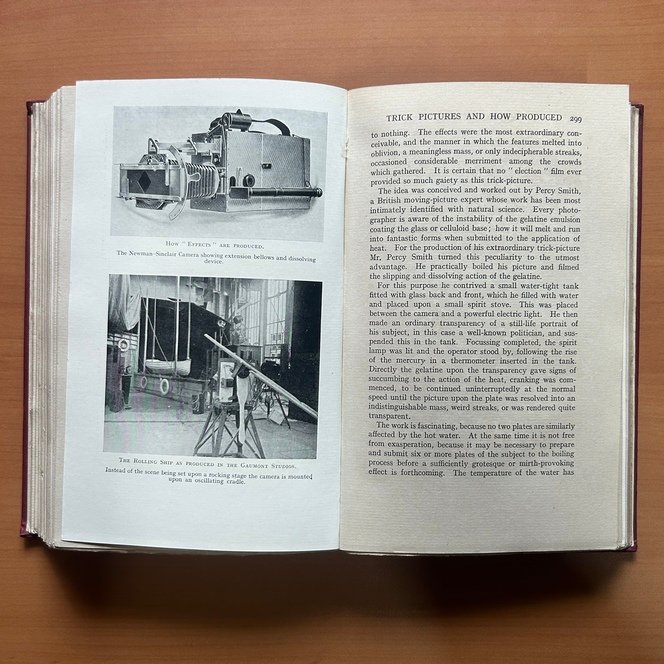
The book examines every major stage of film production in impressive detail. Readers are introduced to the operation of early motion picture cameras, photographic techniques, studio construction, lighting systems, laboratory processing, editing methods, film printing, and theatrical projection. Talbot explains these technical subjects in an accessible manner, allowing both general readers and specialists to appreciate the ingenuity behind early cinematic production. The volume also discusses the organization of film studios and the collaborative efforts required to create successful motion pictures.
Beyond its technical value, the book offers a vivid historical portrait of the silent film era. It reveals the working practices of filmmakers, engineers, actors, directors, and technicians during one of the most innovative periods in cinema history. Readers gain an understanding of how technological limitations inspired creative solutions, many of which laid the foundations for the techniques used in filmmaking today. As such, the work is not only a manual of film production but also an important historical document reflecting the rapid development of the global motion picture industry.
Frederick A. Talbot’s engaging writing combines scientific explanation with historical observation, making the volume equally valuable for students of cinema, historians of technology, media researchers, and collectors of rare film literature. Even a century after its publication, the book remains an indispensable reference for anyone interested in the origins of cinematography and the evolution of visual storytelling.
Published by William Heinemann in 1923, this hardcover edition comprises 419 pages and measures 6 × 2 × 9 inches. As an original publication from the golden age of silent cinema, it holds exceptional significance for collectors of antiquarian books, film history, photography, and early twentieth-century technology. Its combination of historical importance, technical knowledge, and rarity makes it a highly desirable addition to any serious library of cinema and media studies.
- Written by Frederick A. Talbot
- Published by William Heinemann
- 1923 Edition
- Hardcover binding
- 419 pages
- Size: 6 × 2 × 9 inches
- Language: English
- Comprehensive guide to early motion picture production
- Covers cameras, cinematography, studio techniques, editing, processing, and projection
- Valuable historical account of the silent film era
- Important reference for cinema historians, filmmakers, and collectors
- Classic work on the history and technology of filmmaking
🔹 Collector’s Note
This 1923 hardcover edition of Moving Pictures: How They Are Made and Worked is a remarkable collectible from the pioneering age of cinema. Published by William Heinemann, it documents the techniques, technologies, and working practices that defined the silent film industry at a time when motion pictures were revolutionizing global entertainment. Owing to its age, technical depth, and historical significance, this volume is highly sought after by collectors of antiquarian cinema books, film historians, photographers, and institutions specializing in the history of media and visual culture.


Reviews
There are no reviews yet.