
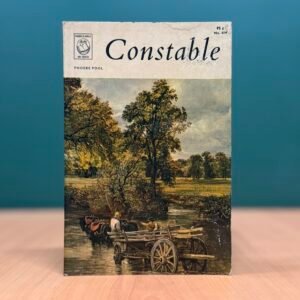
John Constable
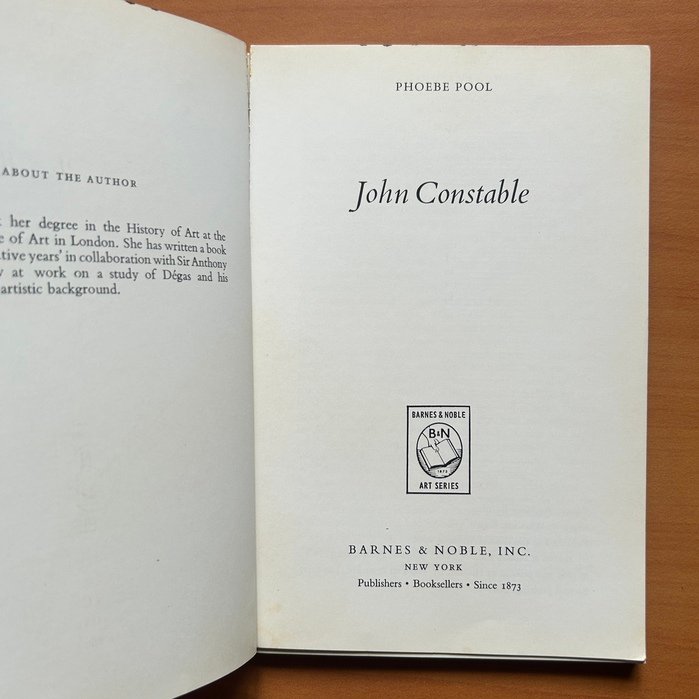
🔹 Author: Phoebe Pool
🔹 Publisher: Barnes & Noble
🔹 Edition: 1967
🔹 Binding: Paperback
🔹 Pages: 90
🔹 Size: 4.5 × 7 inches
🔹 Language: English
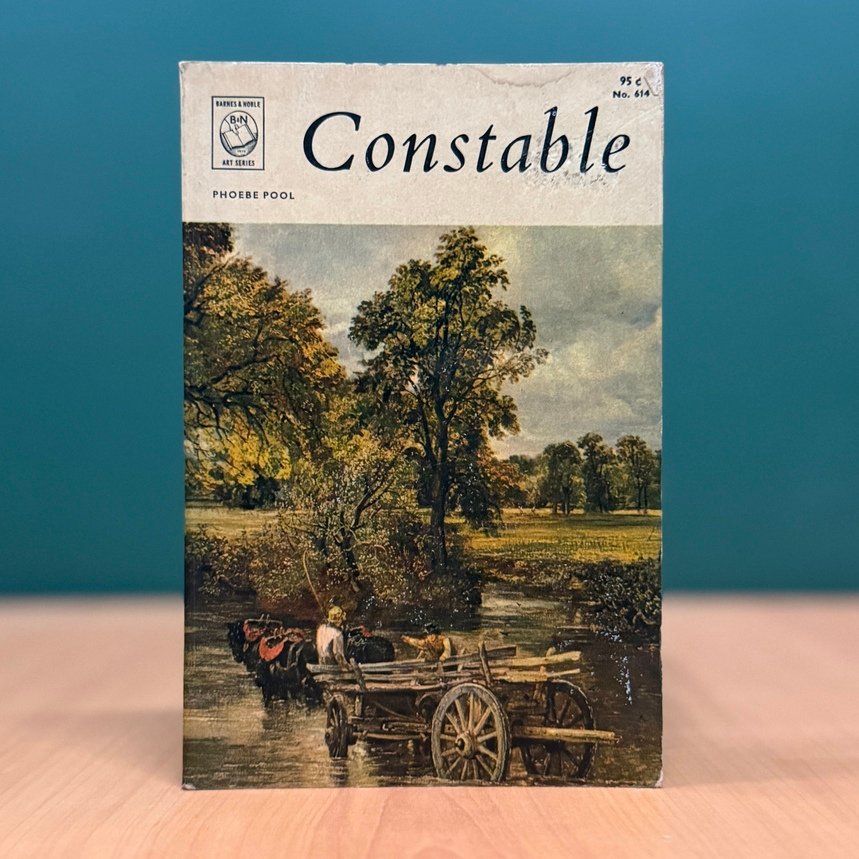
John Constable by Phoebe Pool provides an accessible introduction to the life and work of John Constable, one of the most important figures in the history of British landscape painting.
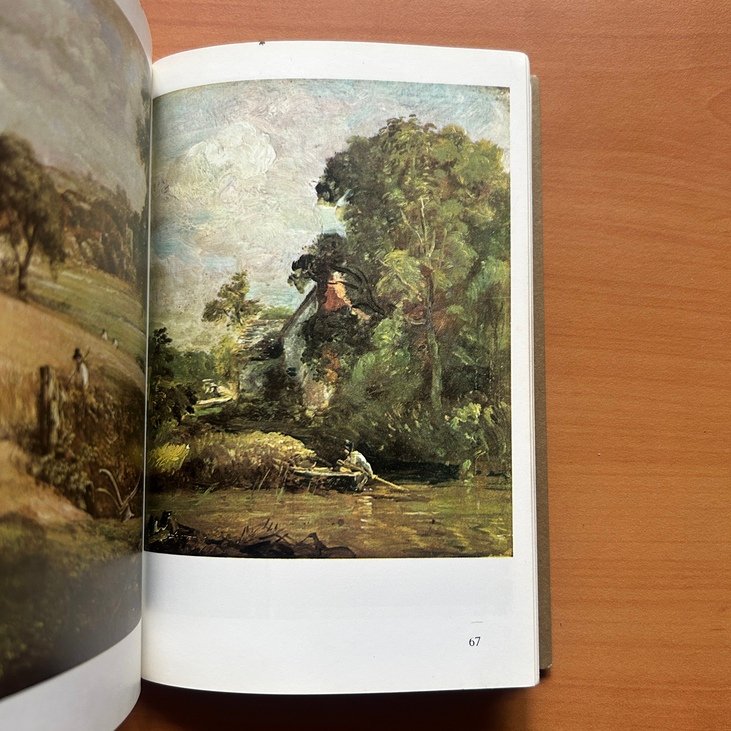
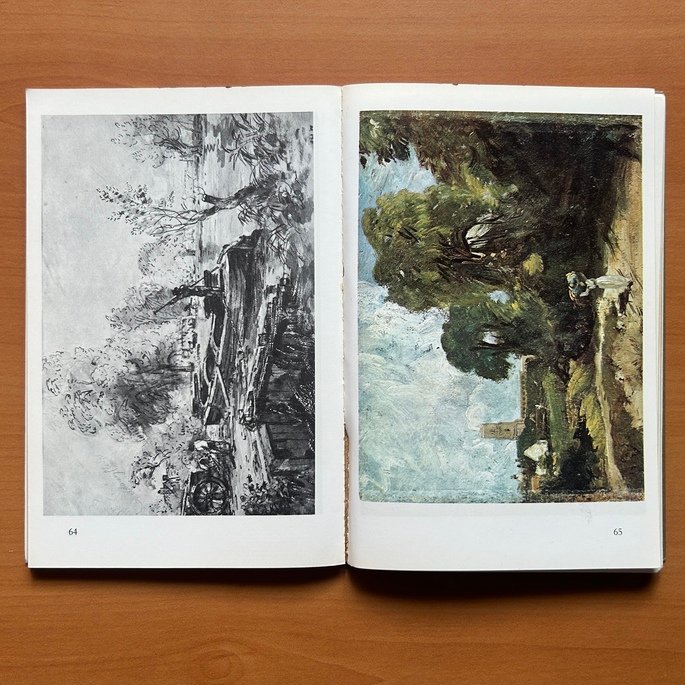
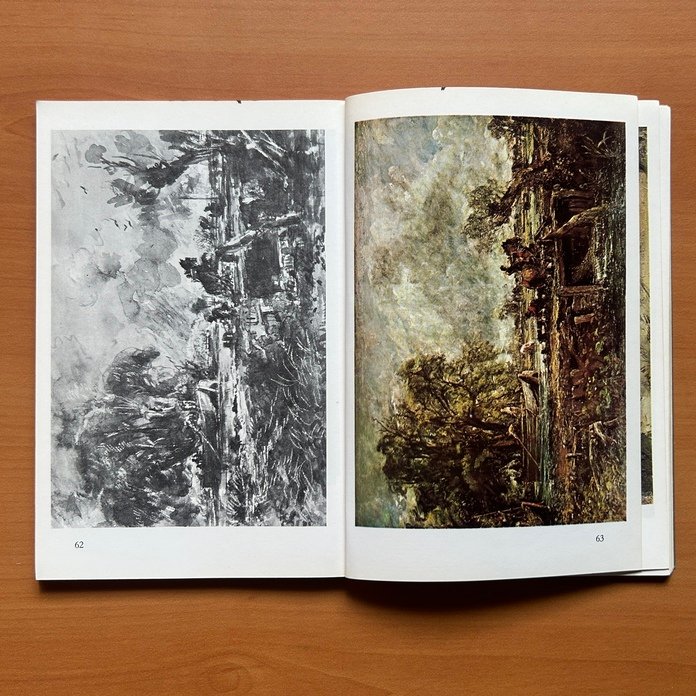
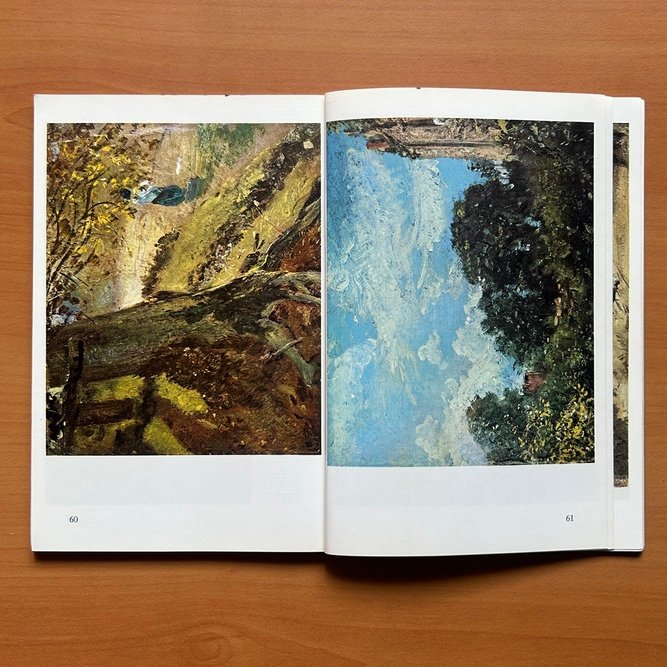
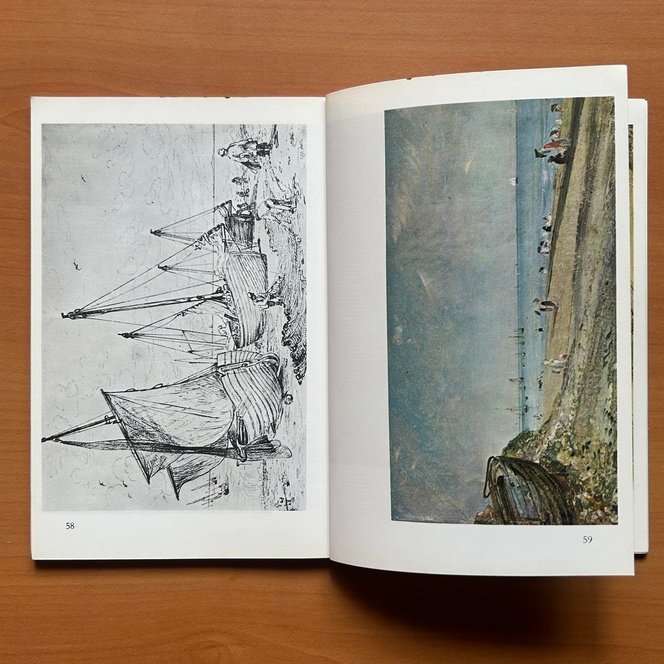
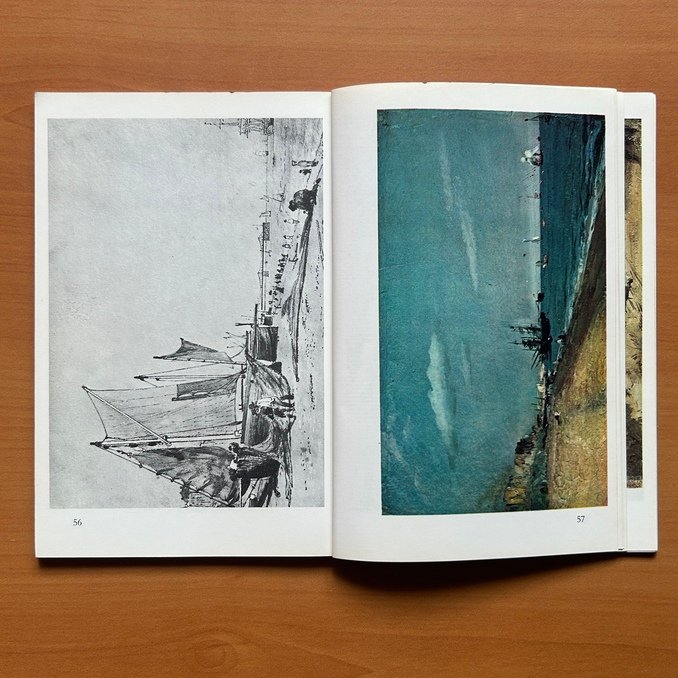
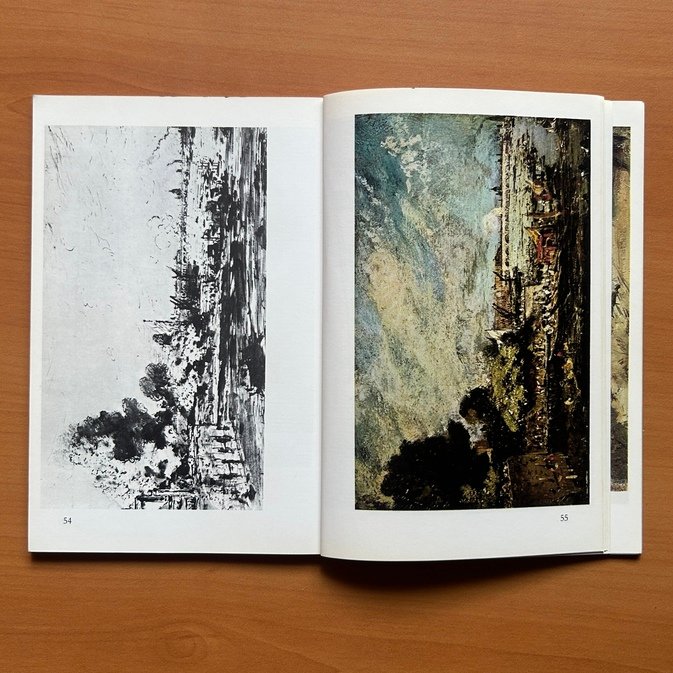
Constable was born in 1776 and became particularly renowned for his deeply personal representations of the English countryside. At a time when landscape painting was often influenced by idealized and carefully composed traditions, Constable developed an approach that placed considerable emphasis on direct observation of nature, changing weather, atmosphere, and light.
The English landscape was central to Constable’s artistic identity. He repeatedly painted locations associated with his childhood and surroundings, particularly the countryside of Suffolk. His paintings transformed familiar rural landscapes into important subjects for serious artistic study.
One of the most significant characteristics of Constable’s work is his attention to the constantly changing effects of light and weather. Clouds, skies, reflections, trees, fields, rivers, and atmospheric conditions became important elements in his compositions. His observations helped give his landscapes a sense of movement and immediacy.
Constable’s approach was particularly influential because he treated nature as something to be studied directly rather than merely reconstructed according to established artistic formulas. His work contributed to the development of landscape painting and influenced later generations of artists.
The book also provides an opportunity to understand the relationship between Constable’s personal experiences and his artistic development. His attachment to the English countryside and his interest in rural life were closely connected to his artistic identity.
Constable’s career unfolded during the late eighteenth and early nineteenth centuries, a period of significant change in European art. His work is often associated with the broader Romantic movement, although his close observation of nature and emphasis on direct experience give his paintings a distinctive character.
His artistic importance extends beyond Britain. Constable’s landscapes influenced artists on the European continent and contributed to changing ideas about the possibilities of landscape painting. His work became particularly important to the development of later nineteenth-century approaches to light, atmosphere, and natural observation.
For students and general readers, Phoebe Pool’s concise study provides an accessible introduction to Constable’s career and artistic significance. It is particularly useful for readers beginning their exploration of British landscape painting and art history.
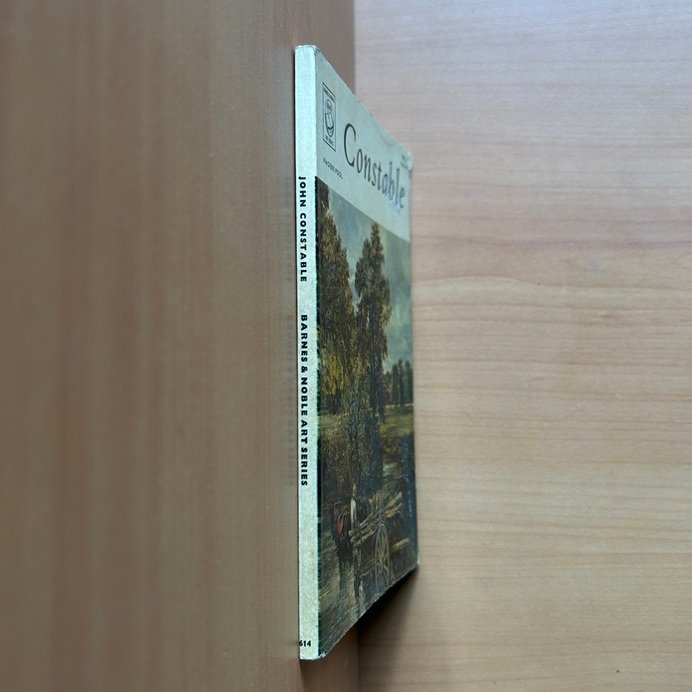
Published by Barnes & Noble in 1967, this paperback edition contains 90 pages and measures approximately 4.5 × 7 inches. Its compact vintage format makes it an appealing addition to collections of art history, British painting, and classic art books.
- Written by Phoebe Pool
- Published by Barnes & Noble
- 1967 Edition
- Paperback binding
- 90 pages
- Size: 4.5 × 7 inches
- Language: English
- Focuses on the life and work of John Constable
- Explores British landscape painting
- Discusses Constable’s observation of nature, light, and weather
- Provides historical context for nineteenth-century British art
- Useful introduction to Constable’s artistic career
- Suitable for students, art enthusiasts, and collectors
🔹 Collector’s Note
This 1967 Barnes & Noble paperback edition of John Constable by Phoebe Pool is a compact vintage art-history title for collectors interested in British painting, landscape art, and John Constable. Its accessible format makes it useful as an introduction to one of Britain’s most influential landscape painters, while its age and vintage paperback presentation add collectible appeal.


Reviews
There are no reviews yet.