
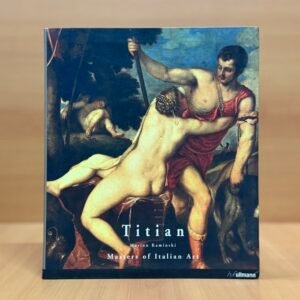
Titian 1490–1576
🔹 Author: Marion Kaminski
🔹 Publisher: Tandem Verlag
🔹 Edition: First Edition, 2007
🔹 Binding: Paperback
🔹 Pages: 140
🔹 Size: 9 × 10 inches
🔹 Language: English
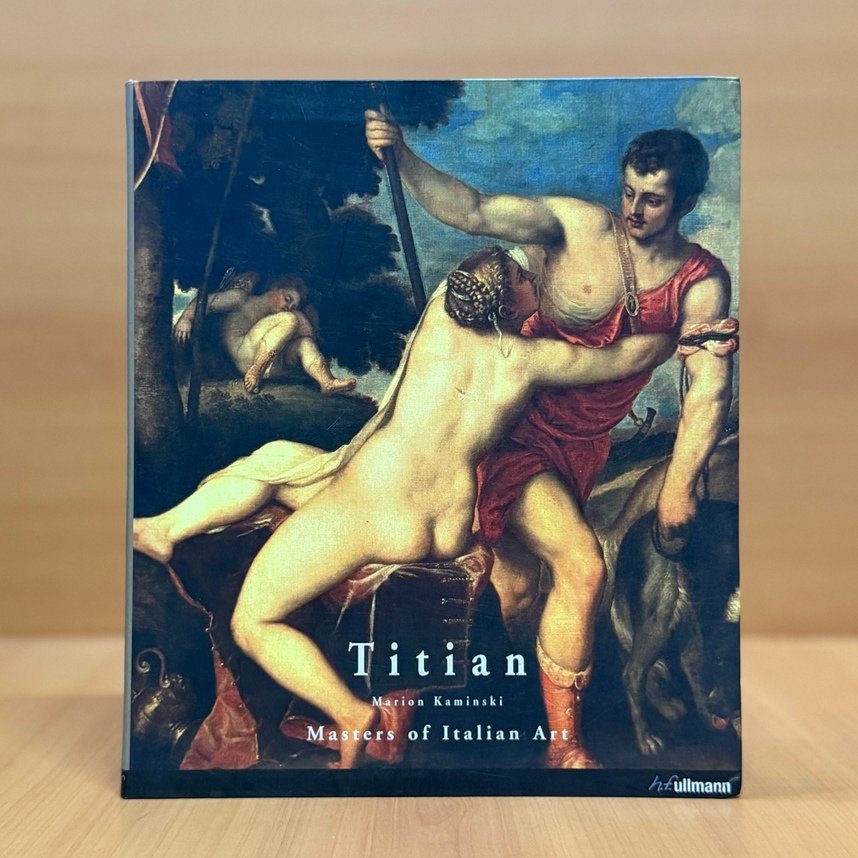
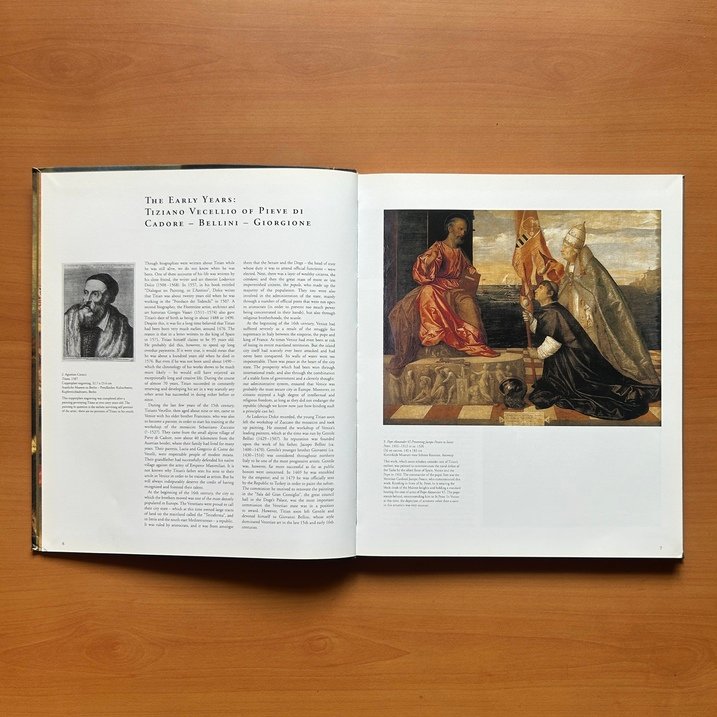
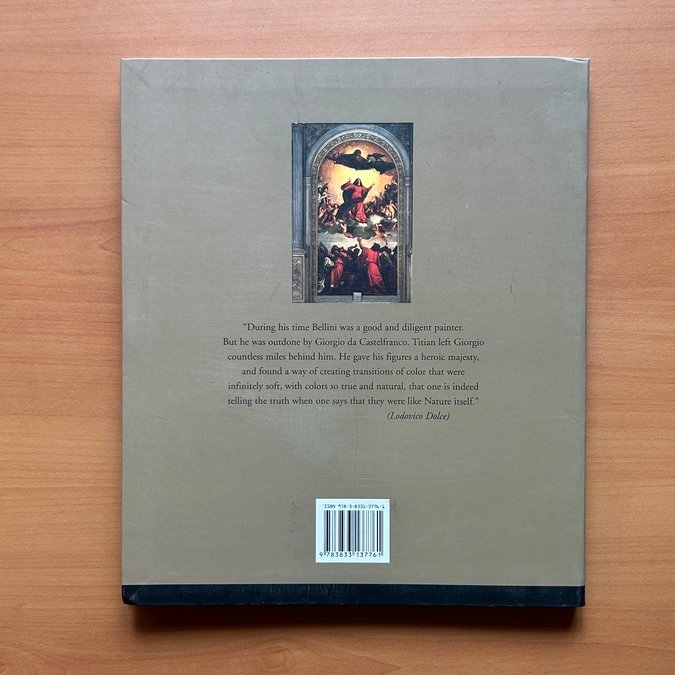
Titian 1490–1576 by Marion Kaminski provides an accessible introduction to the life and work of Titian, one of the most influential painters of the Italian Renaissance.
Born around 1490 and active primarily in Venice, Titian became one of the leading representatives of the Venetian School of painting. His long career encompassed portraiture, religious subjects, mythology, historical compositions, and other forms of Renaissance art.
Titian’s importance in European art is closely connected with his extraordinary understanding of colour, light, atmosphere, and painterly expression. His approach differed in significant ways from the emphasis on drawing and linear structure associated with some other Renaissance traditions. Venetian painting placed exceptional importance on colour and the effects of light, and Titian became one of its greatest practitioners.
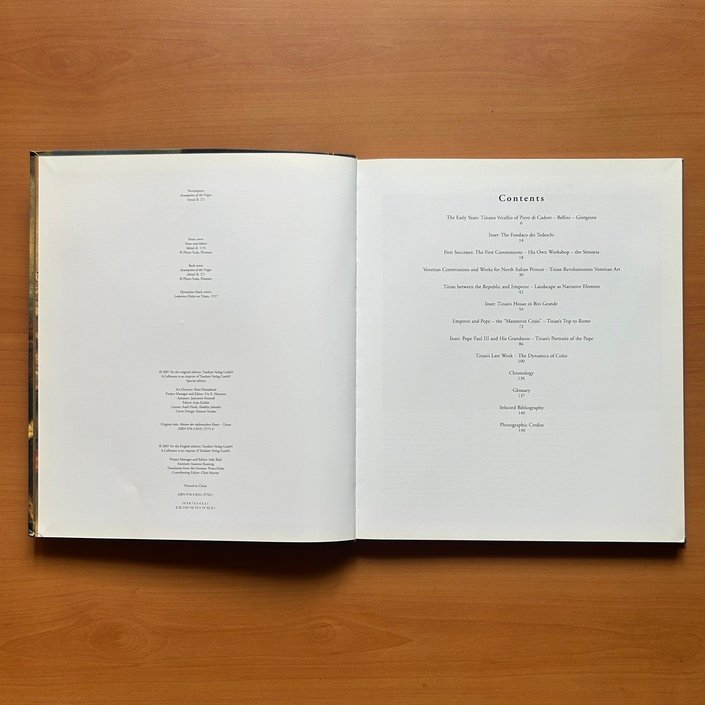
The book examines the development of Titian’s artistic style across his long career. His early works demonstrate the influence of the Venetian Renaissance, while his later paintings reveal increasingly expressive brushwork, richer colour relationships, and a more dramatic approach to composition.
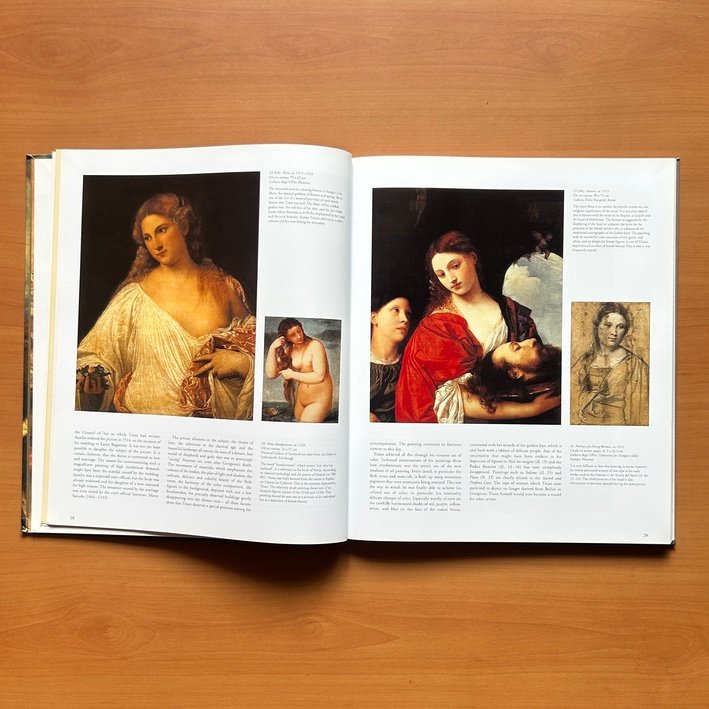
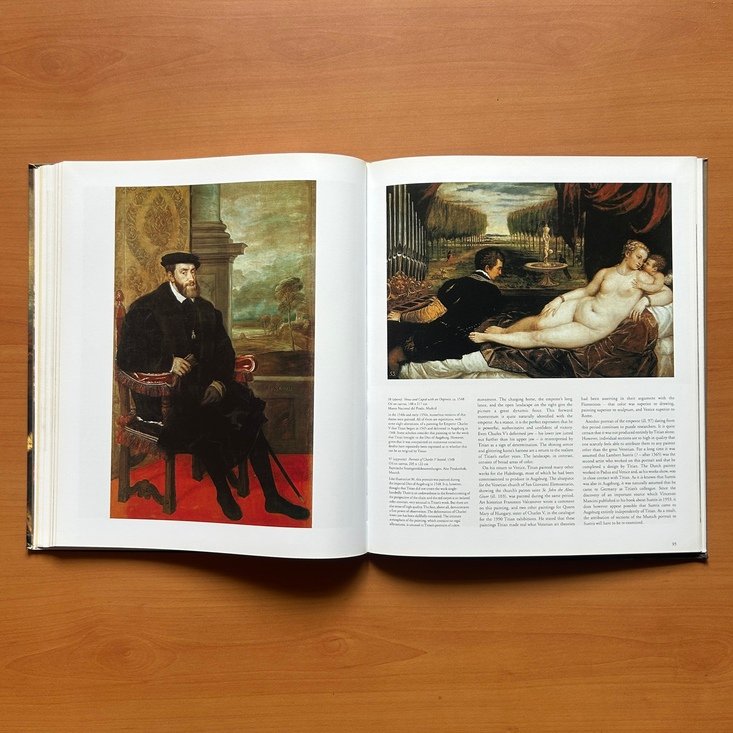
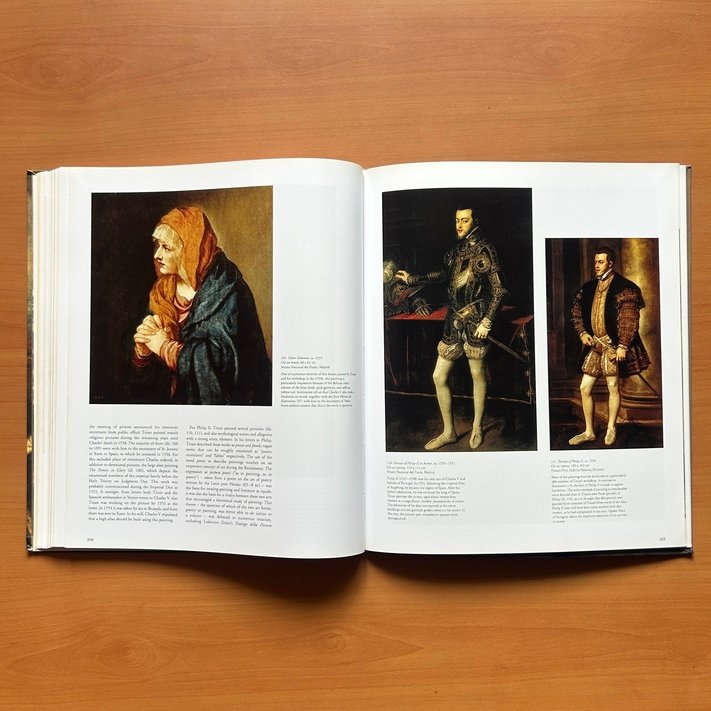
Portraiture was an especially important part of Titian’s career. He painted members of royal families, aristocrats, religious figures, and other prominent individuals. His portraits are celebrated not only for their visual realism but also for their ability to communicate personality, status, and psychological presence.
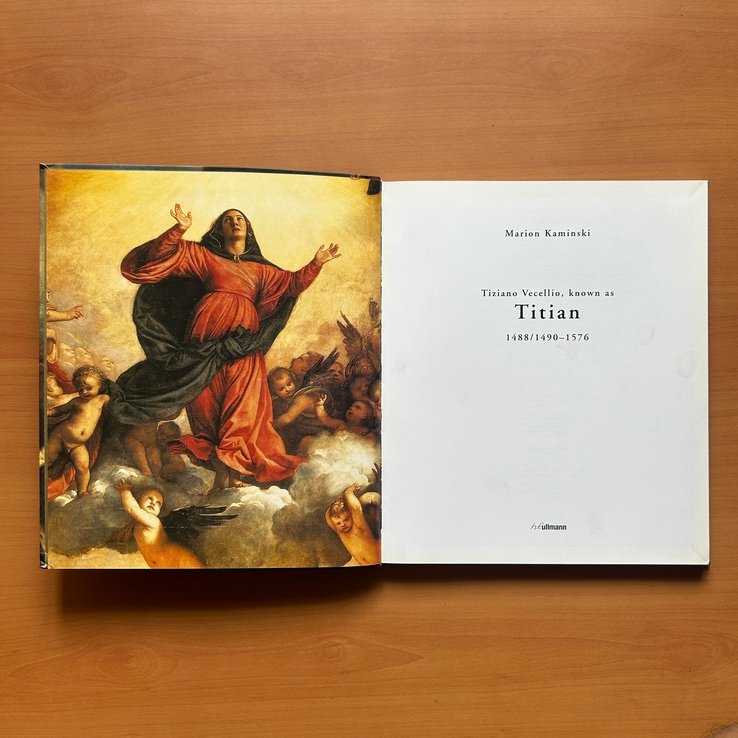
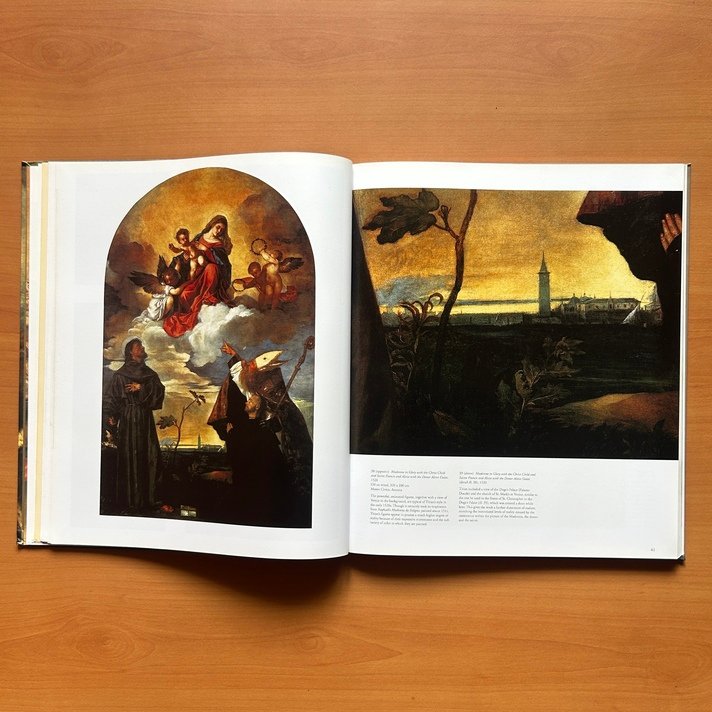
Titian was equally accomplished in religious painting. Biblical and devotional subjects allowed him to explore dramatic compositions, emotional intensity, movement, and powerful colour relationships. His religious works became influential examples of the possibilities of Renaissance painting.
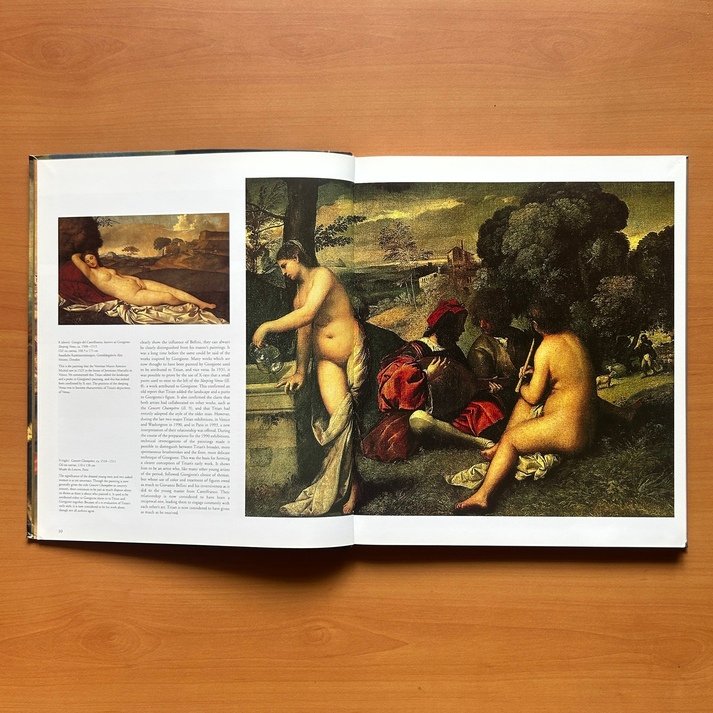
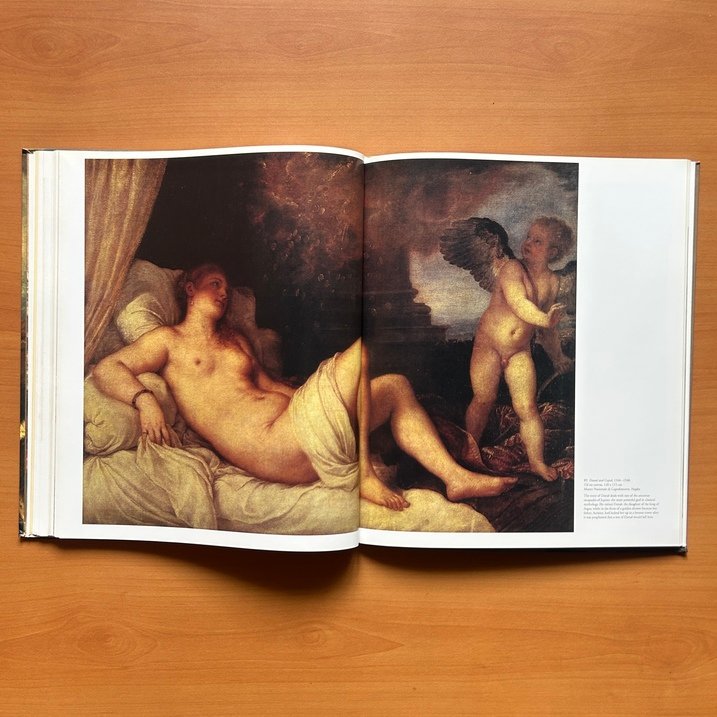
Another important aspect of his work was his treatment of classical mythology. Titian’s mythological paintings often combine sensual beauty, rich colour, dramatic storytelling, and sophisticated composition. These works played an important role in establishing the tradition of large-scale mythological painting in European art.
The book also places Titian within the wider artistic environment of Renaissance Venice. Venice was an important centre of commerce, culture, and artistic activity, and its distinctive visual traditions contributed significantly to the development of European painting.
Titian’s influence continued long after his death in 1576. His use of colour and increasingly expressive technique influenced generations of European artists. His work became particularly important to later developments in Baroque painting, Romanticism, and modern approaches to painterly expression.
For readers interested in art history, Titian provides an excellent example of how an individual artist can transform an established tradition. His long career demonstrates the evolution of Renaissance painting while also showing his ability to continually adapt and develop his artistic language.
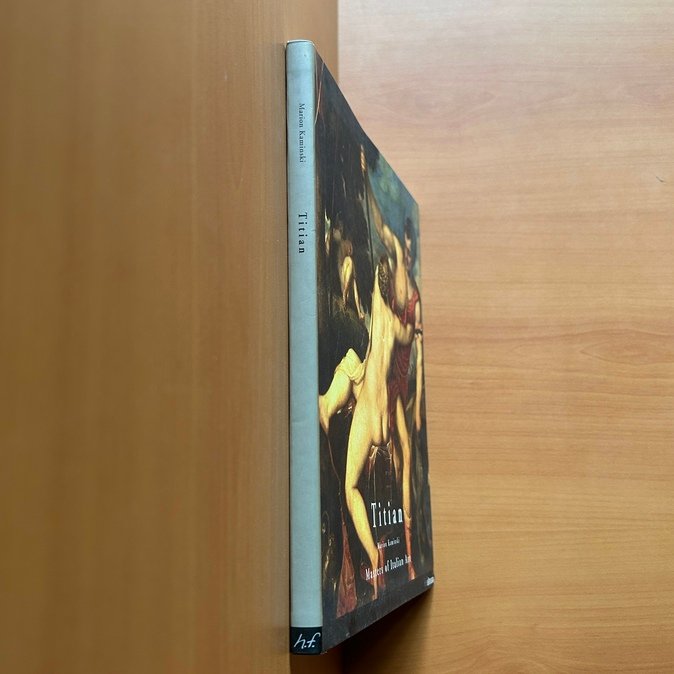
Published by Tandem Verlag as a First Edition in 2007, this paperback contains 140 pages and measures approximately 9 × 10 inches. Its large format is particularly appropriate for an art book, allowing readers to appreciate reproductions and details of Titian’s celebrated works.
- Written by Marion Kaminski
- Focuses on Titian (1490–1576)
- Published by Tandem Verlag
- First Edition, 2007
- Paperback binding
- 140 pages
- Size: 9 × 10 inches
- Language: English
- Covers Italian Renaissance painting
- Explores the Venetian School
- Discusses Titian’s portraits and religious works
- Examines his mythological paintings
- Highlights his use of colour and light
- Explores Titian’s influence on European art
- Large-format art book suitable for collectors
🔹 Collector’s Note
This First Edition, 2007 Tandem Verlag paperback of Titian 1490–1576 is an attractive art title for collectors interested in Italian Renaissance painting and the Venetian School. Its large 9 × 10-inch format is particularly well suited to an illustrated study of Titian’s paintings, while the First Edition status adds additional collecting interest.
Reviews
There are no reviews yet.