
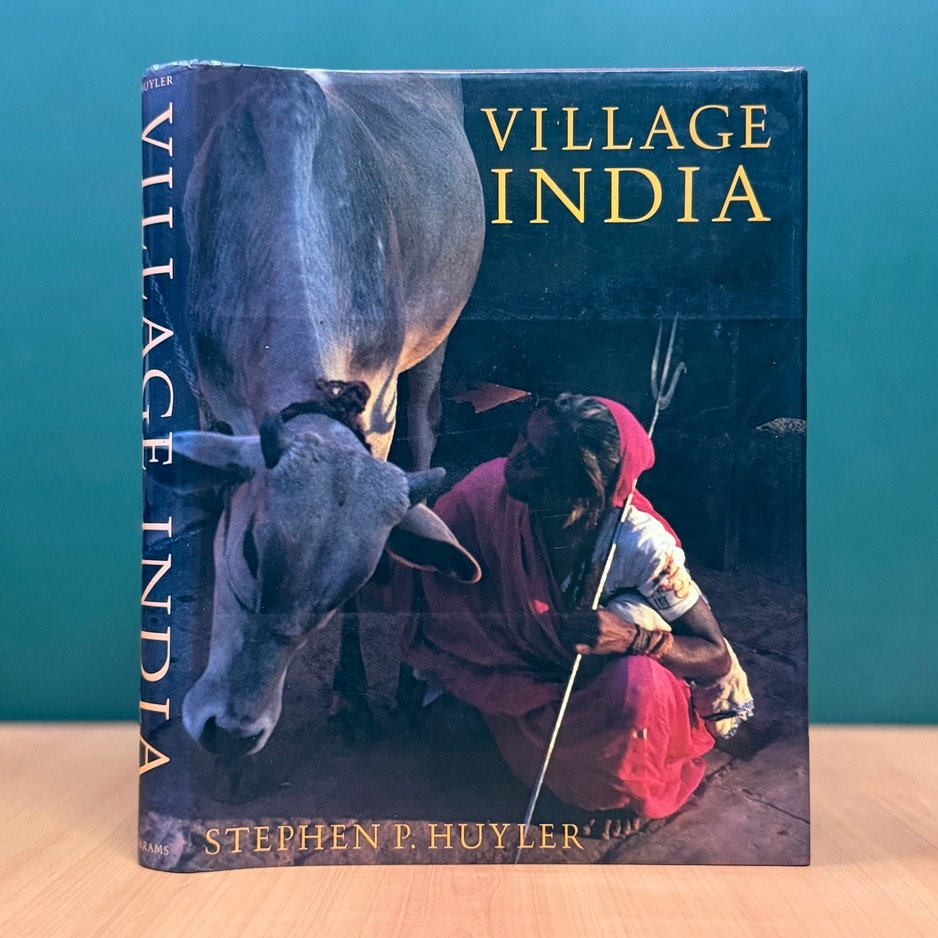
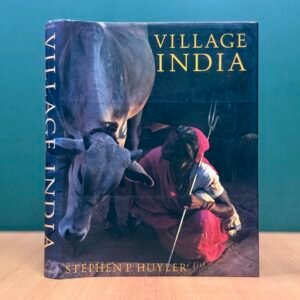
Village India
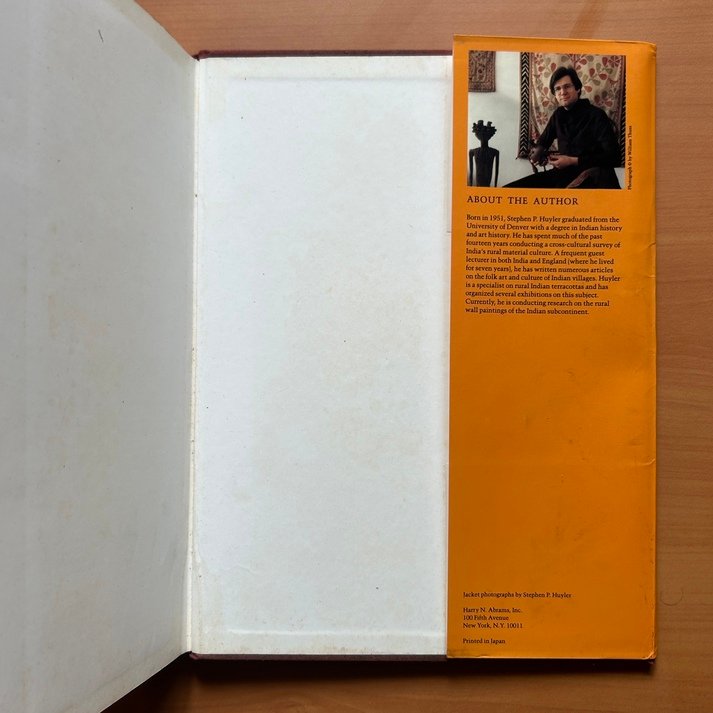
🔹 Author: Stephen P. Huyler
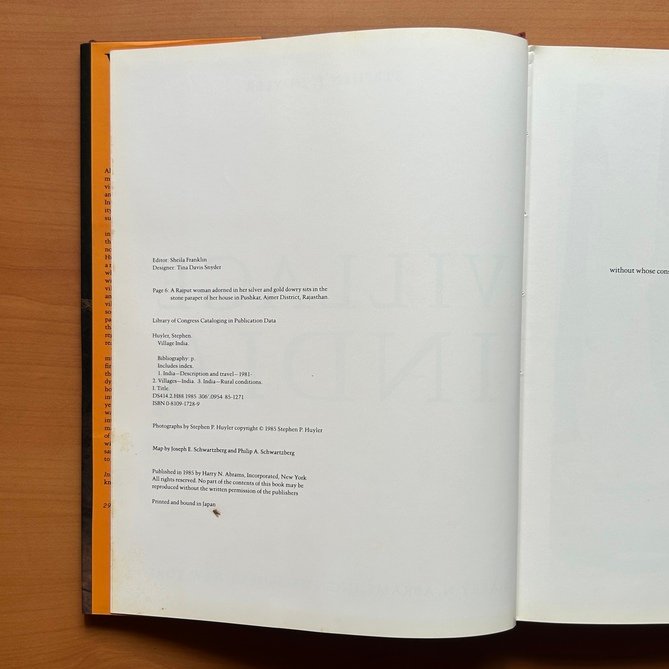
🔹 Publisher: Harry N. Abrams
🔹 Edition: 1985
🔹 Binding: Hardcover
🔹 Pages: 270
🔹 Size: 9 × 1 × 12 inches
🔹 Language: English
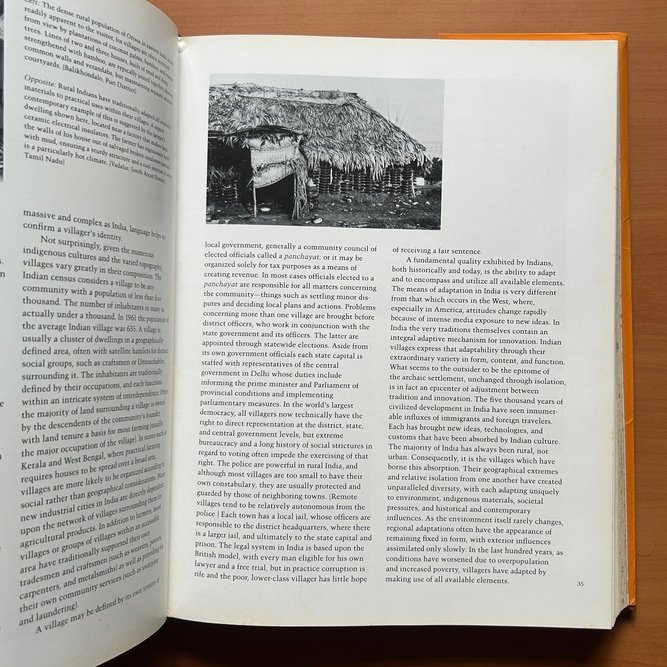
Village India by Stephen P. Huyler offers an extensive visual and cultural exploration of India’s villages and the traditions that have shaped rural life across generations. Published by Harry N. Abrams, the book combines cultural observation with photography and detailed documentation to present a vivid picture of India’s diverse village communities.
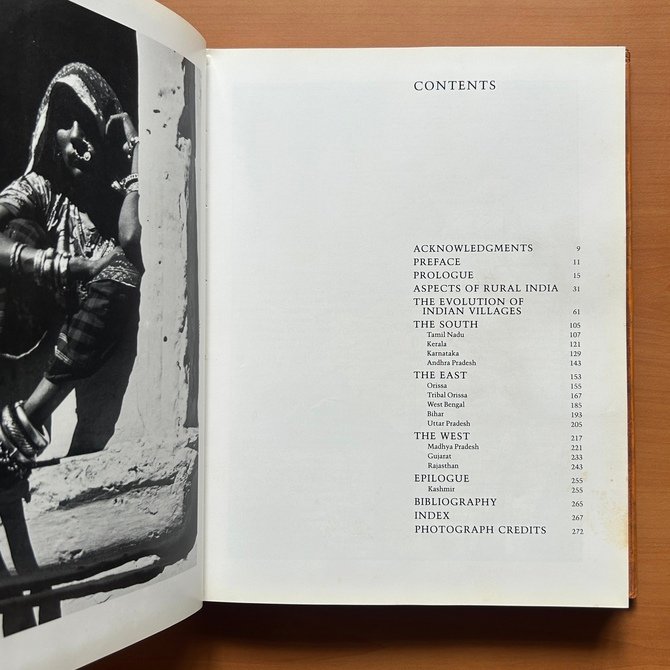
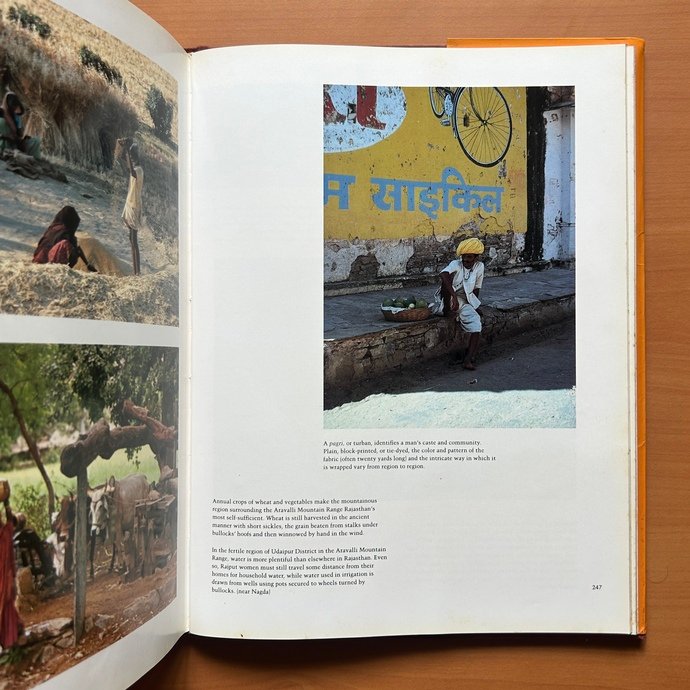
The village has historically played a central role in Indian society. Across the country, rural communities have developed distinctive traditions influenced by regional geography, religion, language, occupation, architecture, craftsmanship, and local customs. Huyler’s work explores these differences while also drawing attention to the shared cultural practices that connect communities across India.
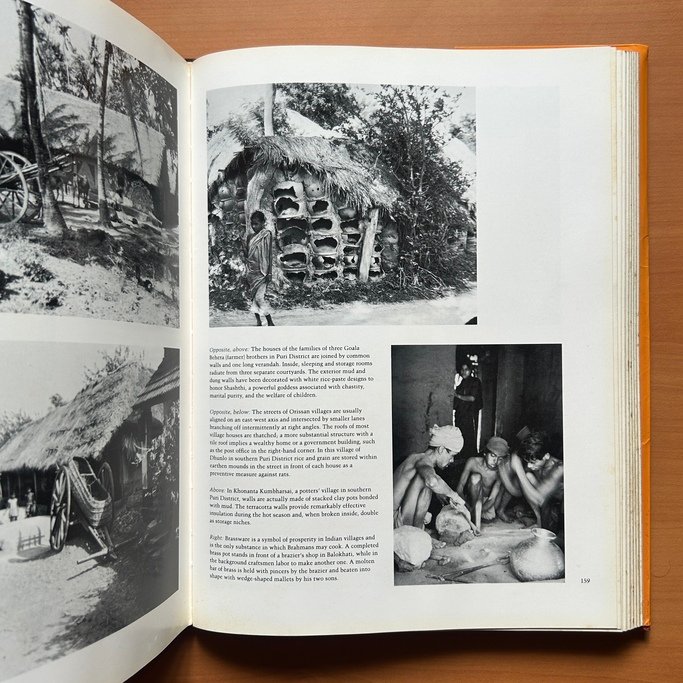
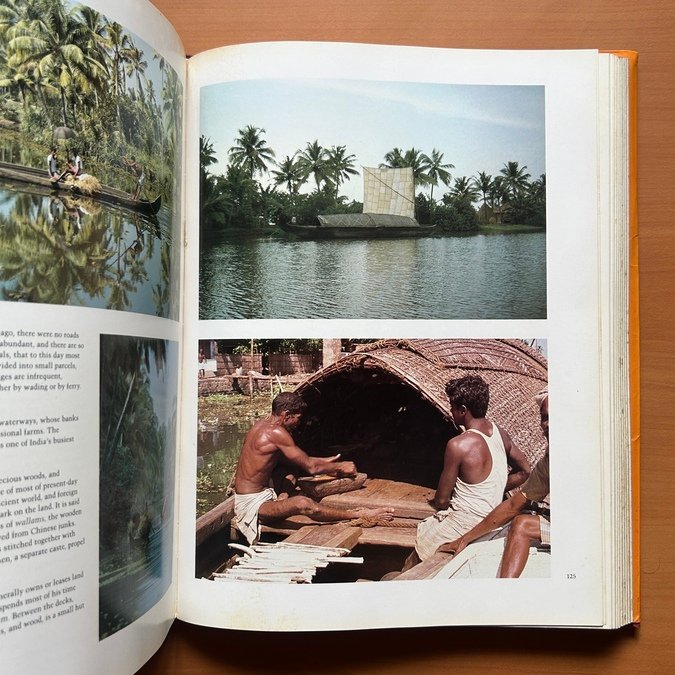
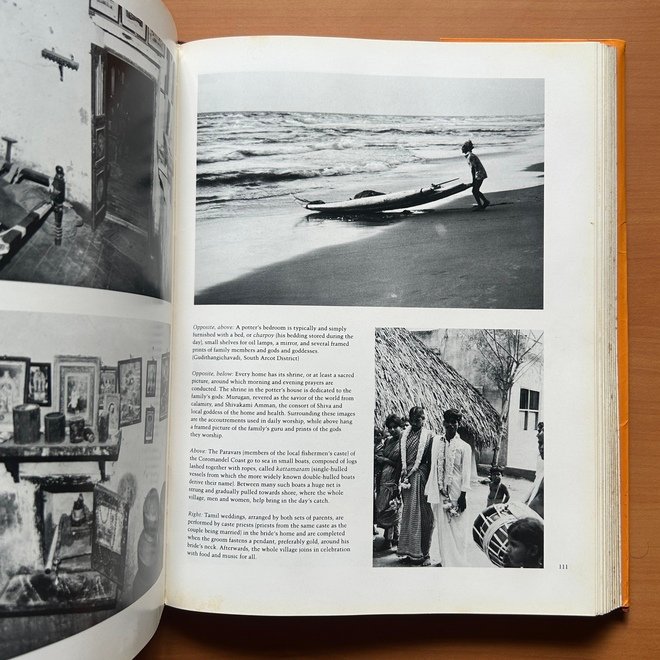
One of the book’s strengths is its attention to everyday life. Rather than focusing solely on famous monuments or major cities, Village India turns its attention toward ordinary homes, streets, community spaces, religious sites, occupations, ceremonies, and objects used in daily life.
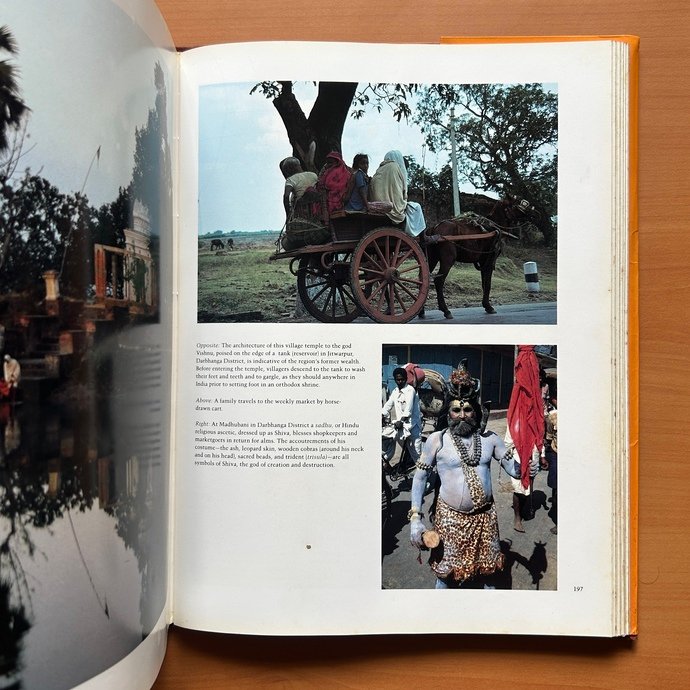
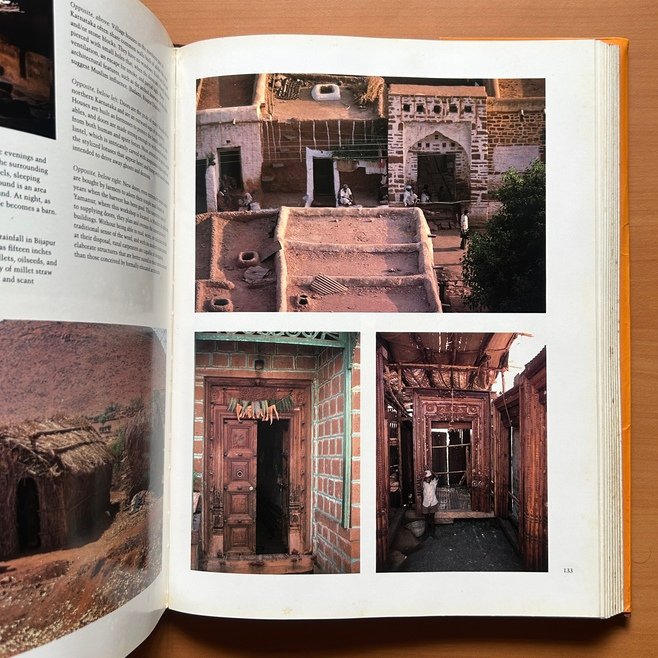
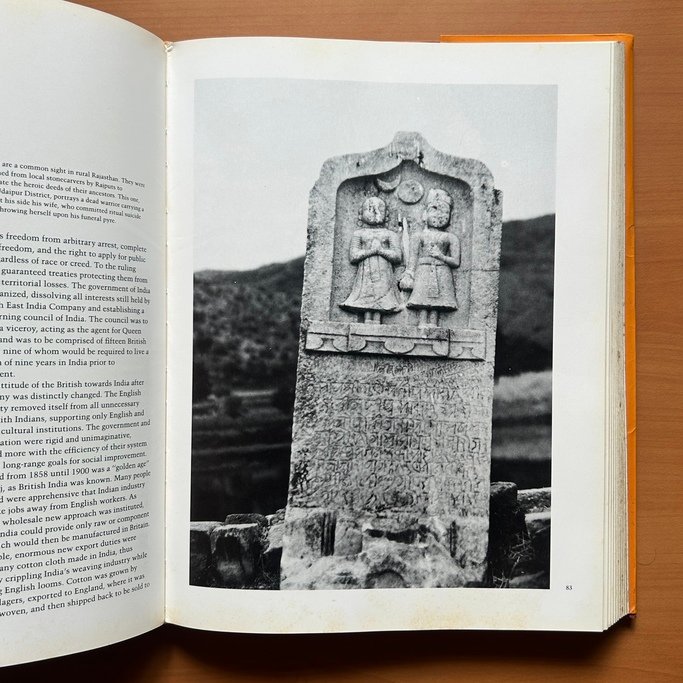
The book also provides insight into traditional Indian architecture. Village houses and community structures are closely connected to local materials, climate, geography, and cultural practices. Architectural details can therefore reveal much about the communities that created them.
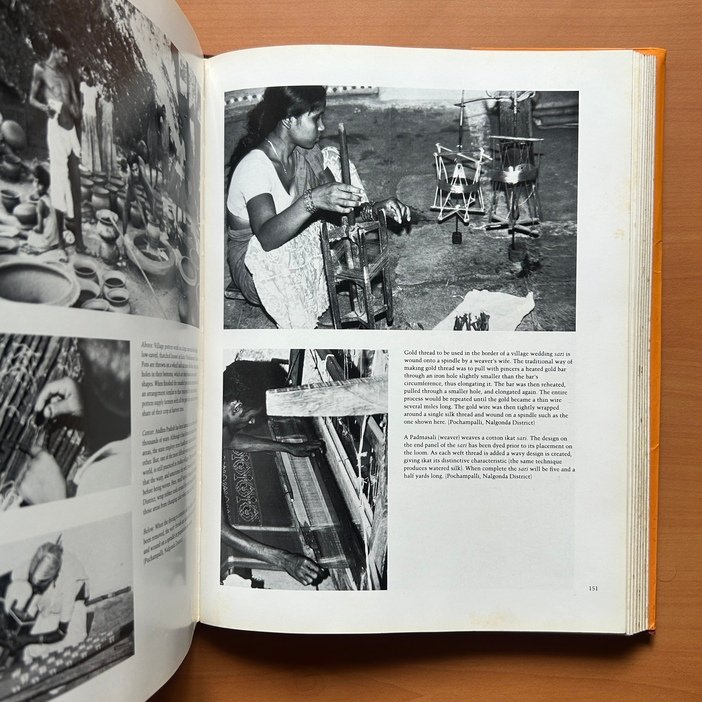
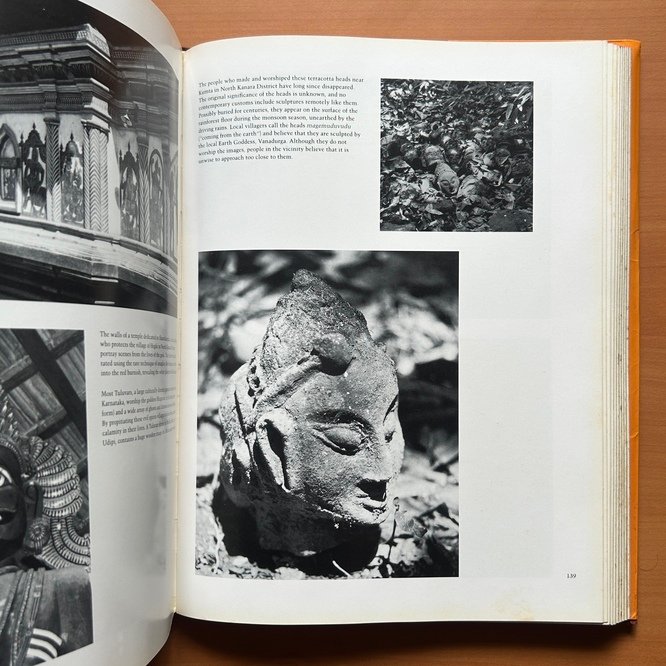
Another important aspect is India’s rich tradition of craftsmanship and decorative arts. Rural artisans have historically produced textiles, pottery, metalwork, woodwork, paintings, jewellery, and other objects that combine practical functions with artistic expression. These traditions form an important part of India’s cultural heritage.
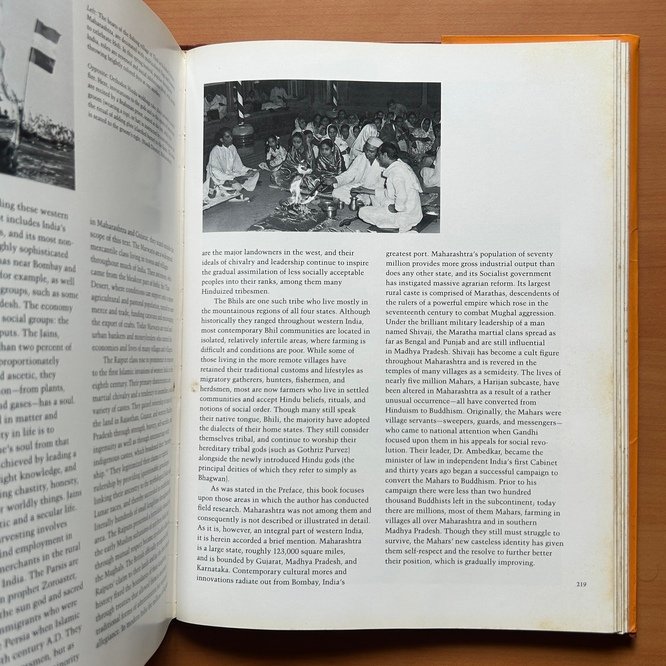
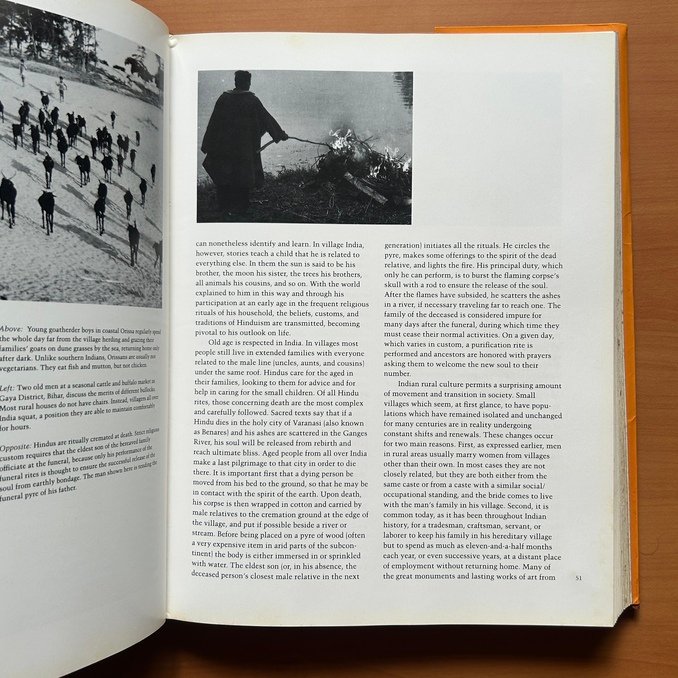
Religious and cultural practices are also central to village life. Festivals, rituals, ceremonies, devotional practices, and community gatherings create important social connections. Such traditions often vary significantly from one region to another, reflecting India’s extraordinary cultural diversity.
The book also documents the relationship between people and their environment. Agriculture, livestock, local resources, seasonal cycles, and regional landscapes have historically influenced the organization of village communities and their everyday activities.
From an anthropological perspective, Village India is valuable because it records aspects of Indian rural life at a particular moment in the twentieth century. Communities and traditions are constantly changing, and visual documentation can therefore preserve evidence of practices, environments, and material culture that may later evolve or disappear.
The book is particularly relevant to readers interested in Indian cultural history, anthropology, architecture, traditional crafts, rural society, and visual documentation. Its large format allows photographs and illustrations to play an important role in communicating the atmosphere and details of village life.
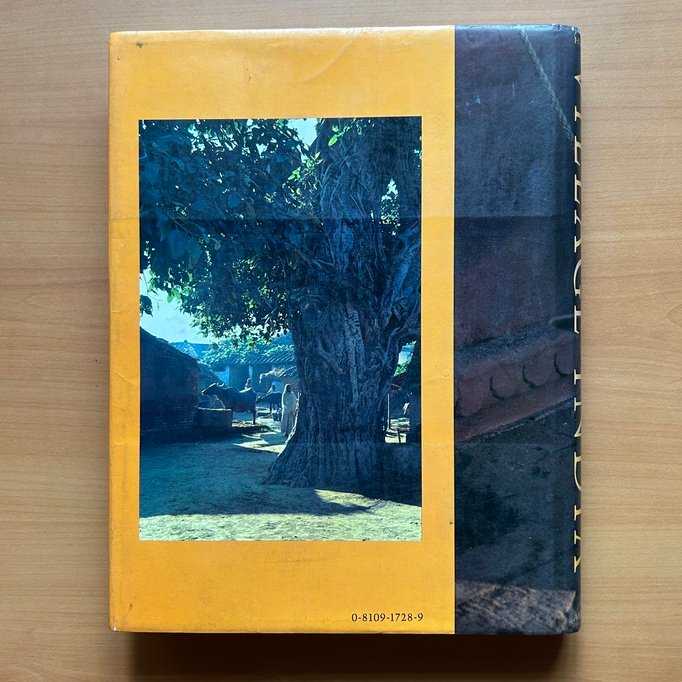
Published by Harry N. Abrams in 1985, this hardcover edition contains 270 pages and measures approximately 9 × 1 × 12 inches. Its large format makes it especially suitable as a coffee-table-style cultural reference and an attractive addition to collections of Indian art and cultural history.
- Written by Stephen P. Huyler
- Published by Harry N. Abrams
- 1985 Edition
- Hardcover binding
- 270 pages
- Size: 9 × 1 × 12 inches
- Language: English
- Explores traditional village life in India
- Covers Indian customs, traditions, and cultural practices
- Features rural architecture and community life
- Documents traditional crafts and material culture
- Explores Indian religious and social traditions
- Valuable for studying rural Indian society
- Large-format illustrated cultural reference
- Suitable for collectors of Indian art and cultural books
🔹 Collector’s Note
This 1985 Harry N. Abrams hardcover edition of Village India is an appealing large-format cultural book for collectors interested in Indian heritage, rural life, traditional art, architecture, and cultural history. Stephen P. Huyler’s documentation offers a valuable visual record of India’s diverse village traditions and everyday life. Its substantial 9 × 1 × 12-inch format makes it particularly attractive for display and for collections devoted to Indian culture and art.
Reviews
There are no reviews yet.