

The First Fabians
🔹 Authors: Norman Mackenzie & Jeanne Mackenzie
🔹 Publisher: Quartet Books
🔹 Edition: 1979
🔹 Binding: Paperback
🔹 Pages: 446
🔹 Size: 5 × 1.4 × 8 inches
🔹 Language English
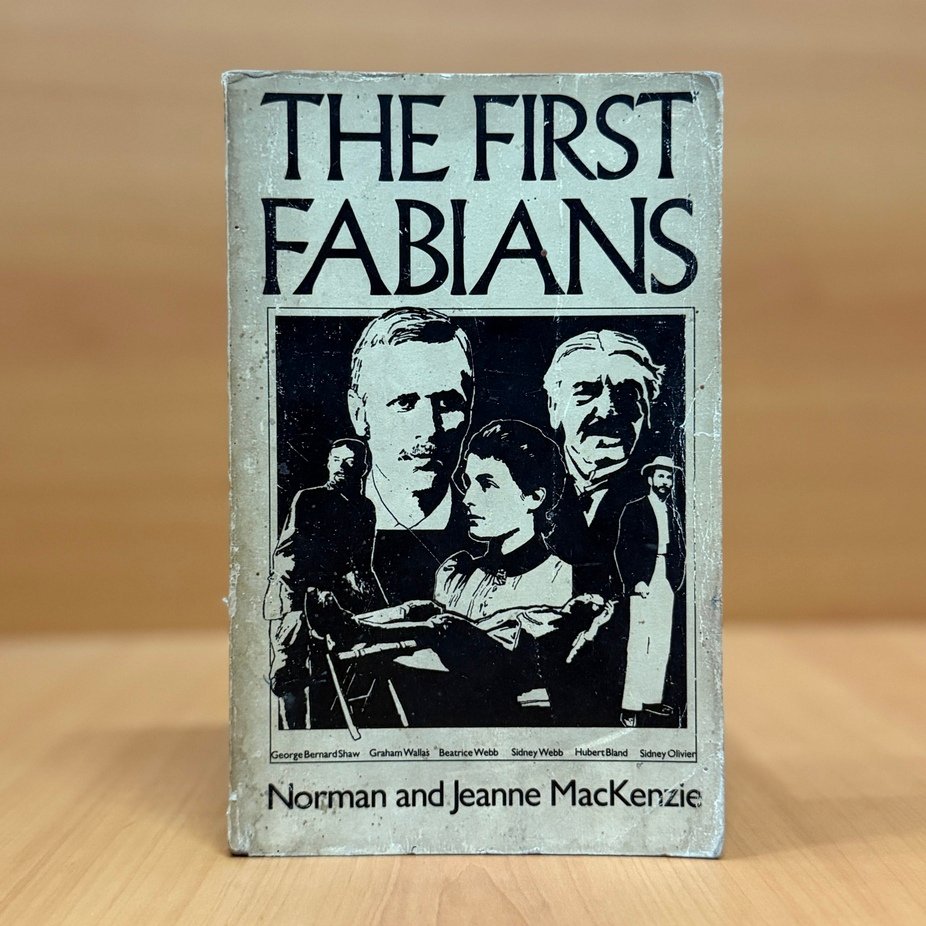
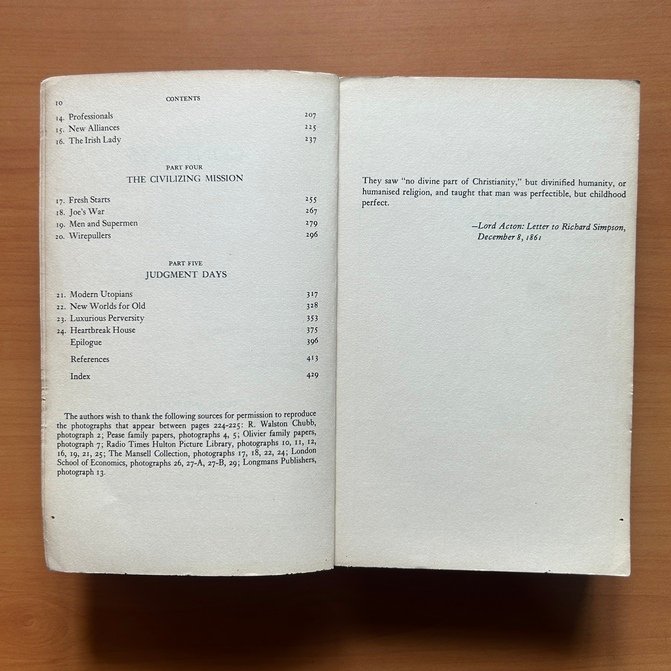
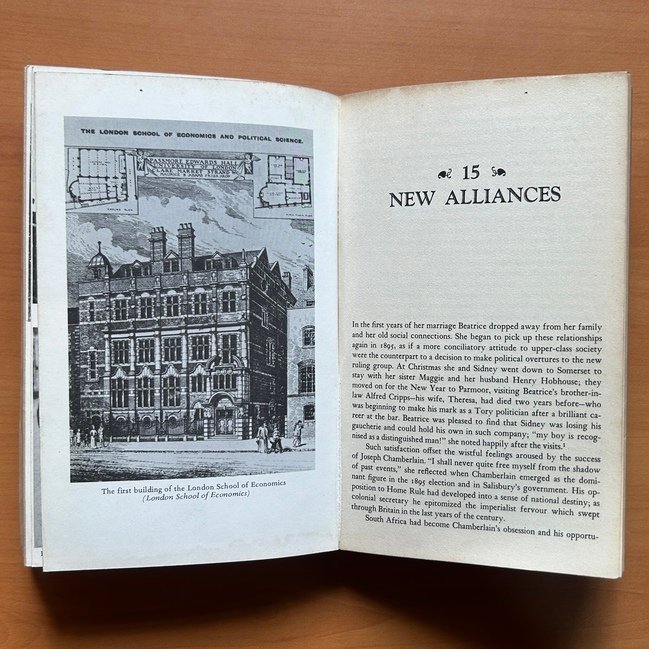
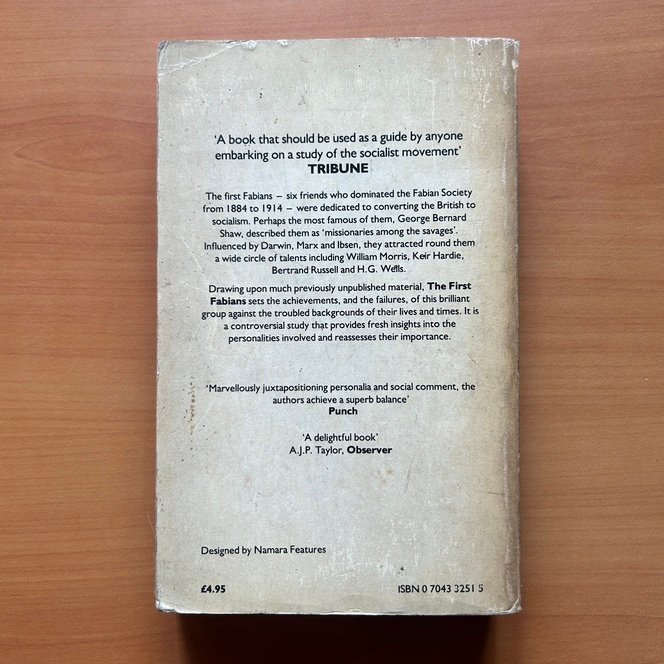
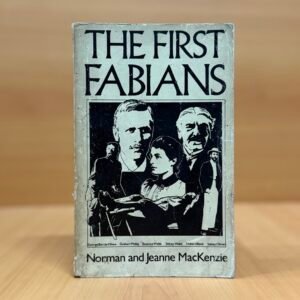
The First Fabians by Norman and Jeanne Mackenzie offers an in-depth examination of the early history of the Fabian movement, one of the influential forces in the development of British socialist and reformist thought. The book focuses on the formative period of the Fabian Society and the individuals whose ideas, writings, debates, and political activities helped shape its distinctive approach to social change.
The Fabians emerged during a period of significant transformation in Britain. Industrialization, rapid urban growth, changing working conditions, economic inequality, and the expansion of democratic politics created intense debates about the future of British society. Reformers and intellectuals were increasingly interested in finding ways to address social problems through political and institutional change.
The Fabian movement developed a distinctive approach to reform. Rather than relying solely on revolutionary transformation, Fabian thinkers generally emphasized gradual social and political reform, intellectual debate, research, education, and practical policy development. Their activities contributed to wider discussions about socialism, economics, public administration, social welfare, and the role of government.
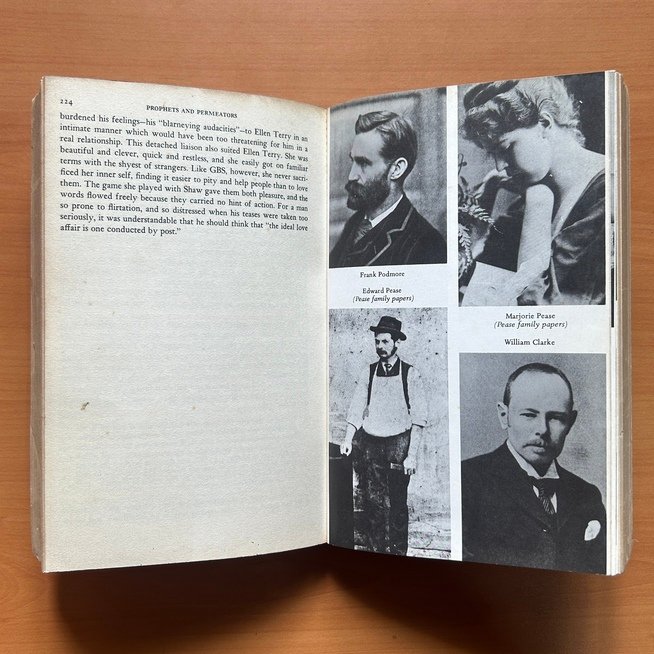
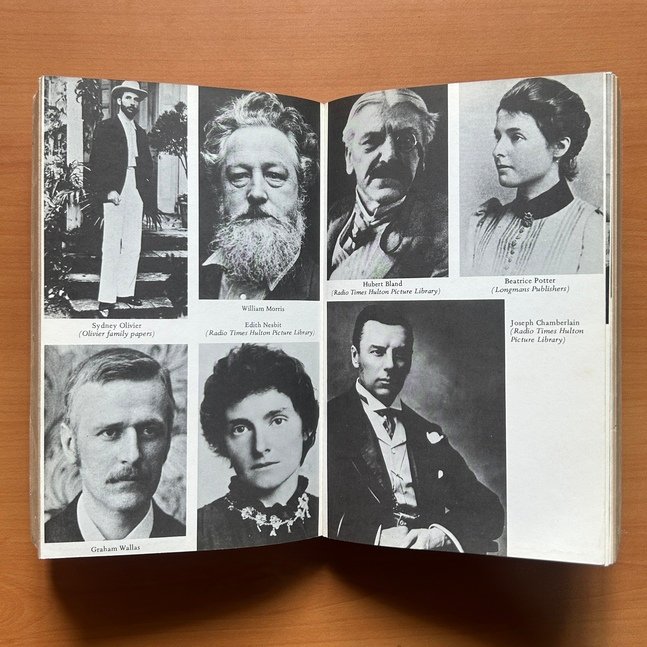
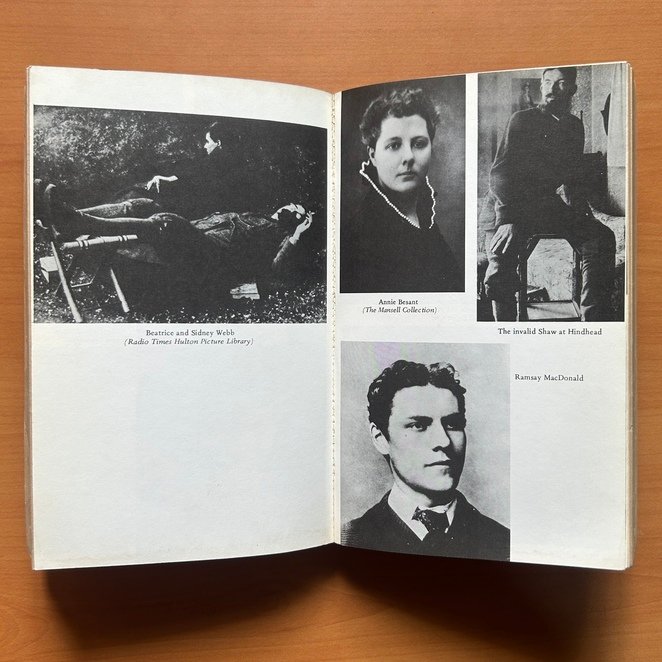
Norman and Jeanne Mackenzie examine the people who formed the early Fabian circle and the intellectual environment in which their ideas developed. The book is therefore not simply a political history but also a study of the personalities and relationships behind a major British reform movement.
The Fabians were associated with a number of prominent writers, thinkers, and social reformers. Their meetings, essays, pamphlets, lectures, and debates helped introduce socialist and reformist ideas to a wider educated public. The movement also played an important role in the intellectual development of the British Labour tradition.
An important aspect of the book is its attention to the relationship between ideas and political institutions. Political movements do not develop in isolation; they are shaped by economic conditions, social changes, personalities, intellectual debates, and the practical challenges of turning ideas into policies. The First Fabians provides a historical perspective on these processes.
The book is particularly useful for readers interested in the history of British socialism and the Labour movement. It helps place later political developments within the broader intellectual and social environment from which they emerged. It also provides insight into the changing political culture of Victorian and early modern Britain.
With 446 pages, this is a substantial historical study rather than a brief introduction. Its detailed treatment of the early Fabian movement makes it valuable for researchers, students, political historians, and readers interested in the history of British social reform.
Published by Quartet Books in 1979, this paperback edition measures 5 × 1.4 × 8 inches. It is an important vintage political-history title for collections focused on British socialism, social reform, political movements, and modern British history.
- Written by Norman and Jeanne Mackenzie
- Published by Quartet Books
- 1979 Edition
- Paperback binding
- 446 pages
- Size: 5 × 1.4 × 8 inches
- Language: English
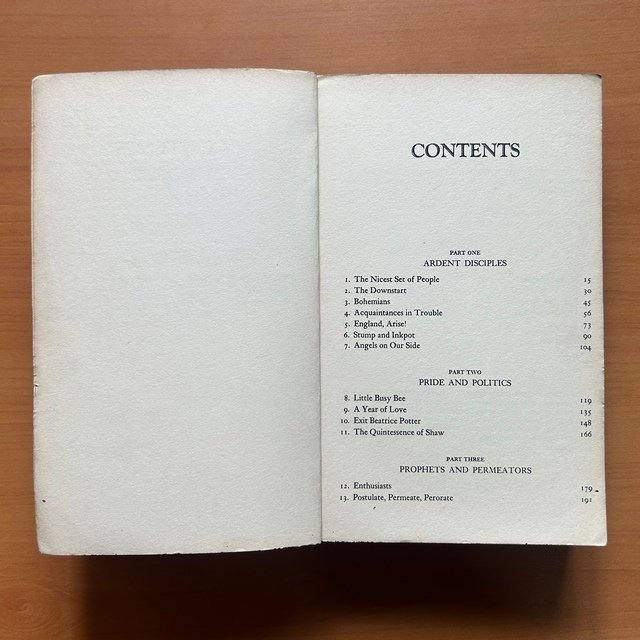
- Detailed study of the early Fabian movement
- Explores British socialism and social reform
- Examines political ideas, personalities, and intellectual debates
- Provides historical context for the development of the Labour tradition
- Valuable for students and researchers of political history
- Suitable for collectors of vintage political and social history books
🔹 Collector’s Note
This 1979 Quartet Books paperback edition of The First Fabians is a substantial historical study for collectors and readers interested in British political history, socialism, social reform, and the origins of modern Labour politics. Its detailed examination of the early Fabian movement and its intellectual personalities makes it particularly useful for understanding an important period in Britain’s political and social development. With 446 pages, it is a comprehensive vintage reference work rather than a lightweight introduction.



Reviews
There are no reviews yet.