
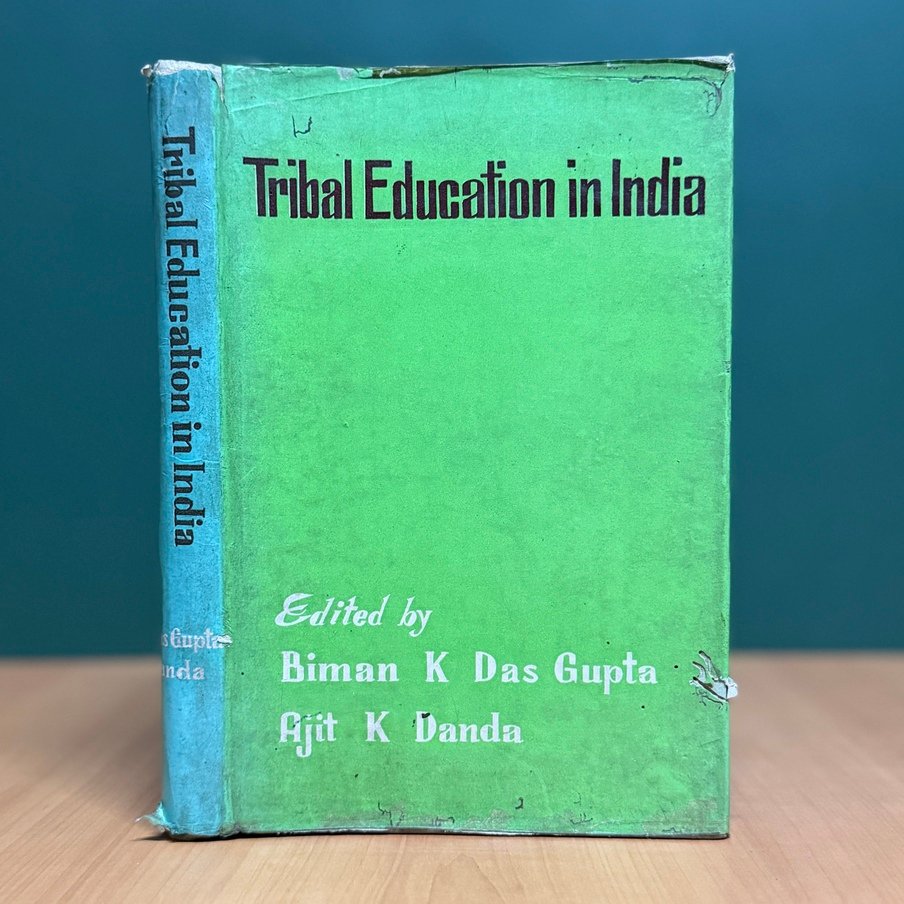
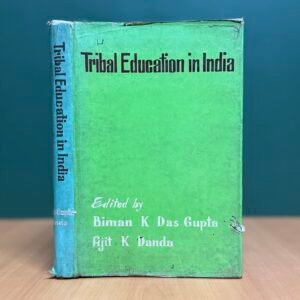
Tribal Education in India
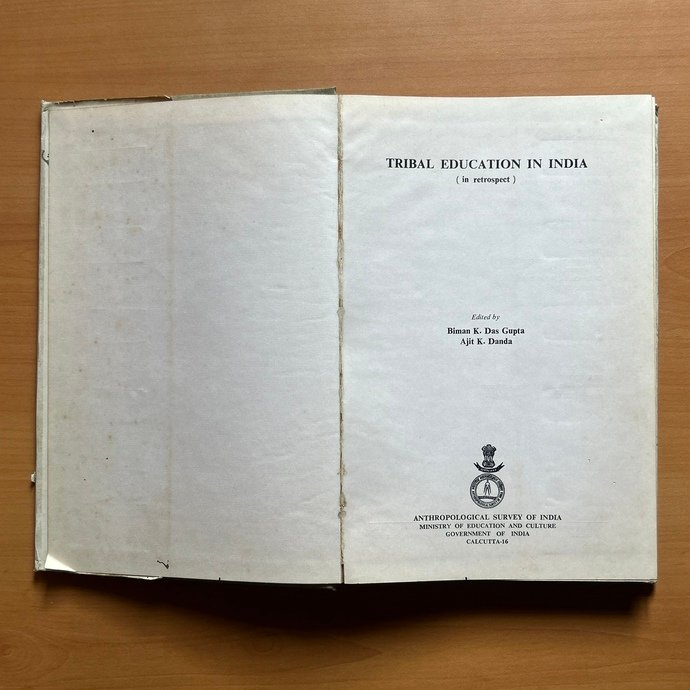
Editors: Biman K. Das Gupta & Ajit K. Danda
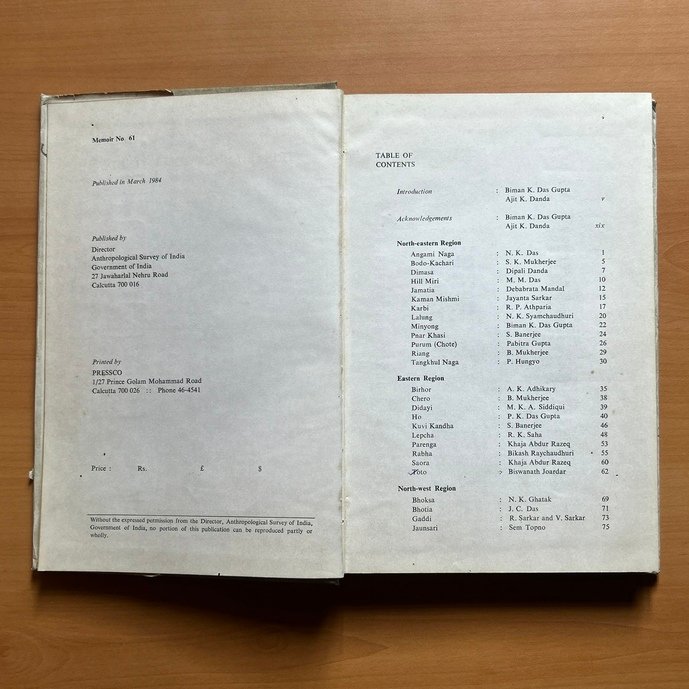
Publisher: Anthropological Survey of India
Edition: First Edition, 1984
Binding: Hardcover
Pages: 200
Size: 6.3 × 1 × 9.5 inches
Language: English
Tribal Education in India is a specialised academic work examining the relationship between education, tribal communities, and social development in India.
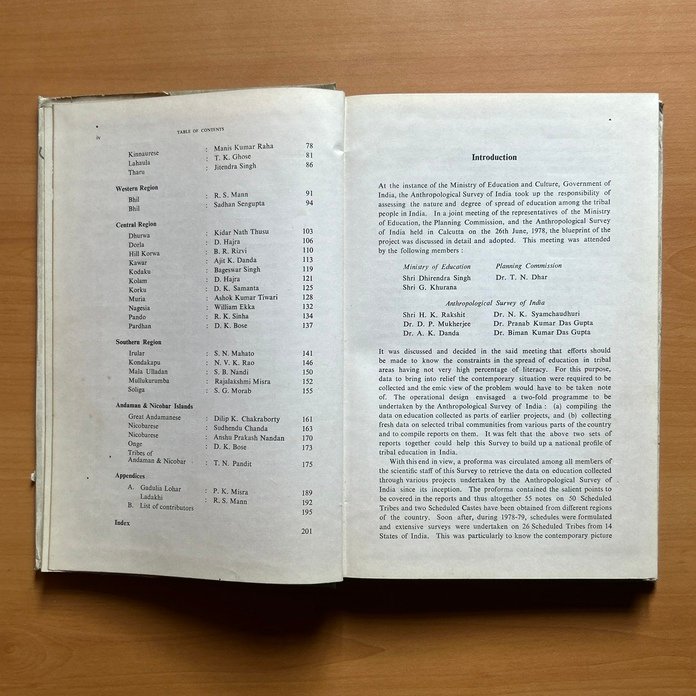
Edited by Biman K. Das Gupta and Ajit K. Danda, the book was published by the Anthropological Survey of India in 1984. Its subject lies at the intersection of education and social anthropology, focusing on the distinctive circumstances of India’s tribal and indigenous communities.
Education plays an important role in social and economic development, but educational systems do not operate independently of culture. Language, traditions, social organisation, geographical location, economic conditions, and community structures can all influence how education is received and developed.
The study of tribal education therefore requires an understanding of the communities themselves. Anthropological approaches can help examine how educational programmes interact with existing cultural traditions, social institutions, and community life.
A major area of interest is the challenge of making formal education accessible to communities that may live in geographically remote regions. Distance from schools, infrastructure, economic circumstances, language differences, and limited educational resources can all influence educational participation.
The book is also relevant to questions concerning the relationship between traditional knowledge and formal education. Tribal communities possess their own systems of knowledge, cultural practices, oral traditions, and methods of transmitting skills between generations.
The introduction of formal schooling can therefore create both opportunities and challenges. Education may provide greater access to literacy, employment, and wider social institutions, while educational policies must also consider the preservation and recognition of local cultures.
From an anthropological perspective, education can be viewed as part of a broader process of social change. Changes in schooling and literacy can influence family structures, employment opportunities, social mobility, political participation, and relationships between communities and wider society.
The book is particularly valuable as a historical document because it was published in 1984, providing insight into how tribal education was being studied and discussed in India during that period.
The involvement of the Anthropological Survey of India gives the work additional academic significance. The organisation has played an important role in documenting India’s diverse communities and conducting anthropological research across the country.
For researchers, the volume can provide useful historical perspectives on tribal policy, educational development, Indian anthropology, indigenous communities, and social transformation.
Its relatively compact 200-page format makes it accessible as a specialist academic reference while still providing substantial material for study.
Published as a First Edition in 1984, this hardcover edition contains 200 pages and measures approximately 6.3 × 1 × 9.5 inches.
- Edited by Biman K. Das Gupta & Ajit K. Danda
- Published by Anthropological Survey of India
- First Edition, 1984
- Hardcover binding
- 200 pages
- Size: 6.3 × 1 × 9.5 inches
- Language: English
- Focuses on tribal education in India
- Relevant to Indian anthropology and tribal studies
- Examines education and social development
- Explores cultural and educational relationships
- Relevant to indigenous communities and Indian society
- Useful for researchers and students
- Valuable historical academic reference
- Appealing First Edition Collectible
- Suitable for Rare Indian Books collections
🔹 Collector’s Note
This First Edition, 1984 hardcover published by the Anthropological Survey of India is a specialist Indian academic work combining education, anthropology, tribal studies, and social history. Its institutional publisher and focused subject make it a particularly interesting addition to collections of History & Culture, Rare Indian Books, and Non-Fiction.

Reviews
There are no reviews yet.